The Role of Importer Security Filing in Sustainable Supply Chain Management
In today’s globalized world, supply chain management plays a crucial role in ensuring the efficient flow of goods and services. But how does the concept of sustainability fit into this equation? In this article, we delve into the connection between Importer Security Filing (ISF) and sustainable supply chain management. Through this exploration, we uncover the ways in which ISF practices can positively impact environmental, social, and economic aspects of supply chain operations, ultimately paving the way for a more sustainable future.
Introduction to Importer Security Filing (ISF)
Importer Security Filing (ISF) is a mandatory requirement by the U.S. Customs and Border Protection (CBP) for all importers, aimed at enhancing supply chain security and improving the identification and assessment of potential risks associated with the importation of goods. The purpose of ISF is to provide advance information about the cargo being imported before it reaches the port of entry.
Definition and Purpose of ISF
ISF, also known as 10+2 filing, requires importers to submit specific information about the shipments they bring into the United States. This includes details about the importer, consignee, seller, manufacturer, shipment origin, and other relevant information, which enables CBP to assess the security risk associated with each importation. The primary purpose of ISF is to enhance cargo security, prevent terrorist threats, and facilitate the smooth flow of goods through the supply chain.
Components of Importer Security Filing
ISF consists of ten elements that importers are required to submit to CBP. These components include the importer’s name and address, consignee’s name and address, seller’s name and address, buyer’s name and address, ship-to party’s name and address, manufacturer’s name and address, country of origin, Harmonized System (HS) code, and container stuffing location. By providing these details in advance, CBP can effectively evaluate potential security concerns, streamline cargo screening processes, and improve overall supply chain efficiency.
Sustainable Supply Chain Management
Sustainable Supply Chain Management (SSCM) is a holistic approach that emphasizes the integration of environmental, social, and economic considerations into supply chain practices. It involves actively managing the social, environmental, and economic impacts of supply chain activities to achieve sustainable outcomes.
Definition and Principles of Sustainable Supply Chain Management
Sustainable Supply Chain Management aims to minimize the negative environmental and social impacts associated with supply chain operations while maximizing economic benefits. The fundamental principles of SSCM include reducing carbon emissions, conserving natural resources, promoting ethical labor practices, supporting local communities, fostering collaboration, and ensuring supply chain resilience.
Importance of Sustainable Supply Chain Management
SSCM plays a crucial role in addressing global sustainability challenges, including climate change, pollution, and social inequality. By integrating sustainable practices into supply chain operations, organizations can make significant contributions to environmental protection, social responsibility, and long-term economic viability. SSCM can enhance brand reputation, attract conscious customers, and create a positive impact on society.
Challenges in Implementing Sustainable Supply Chain Management
Implementing sustainable practices in the supply chain can present various challenges. These may include limited stakeholder alignment and commitment, lack of awareness about sustainability issues, complexity in tracing and verifying supply chain activities, inadequate technological infrastructure, and cost considerations. Overcoming these challenges requires proactive leadership, collaboration, and the adoption of innovative strategies.
The Relationship Between ISF and Sustainable Supply Chain Management
Understanding the Interplay between ISF and Sustainable Supply Chain Management
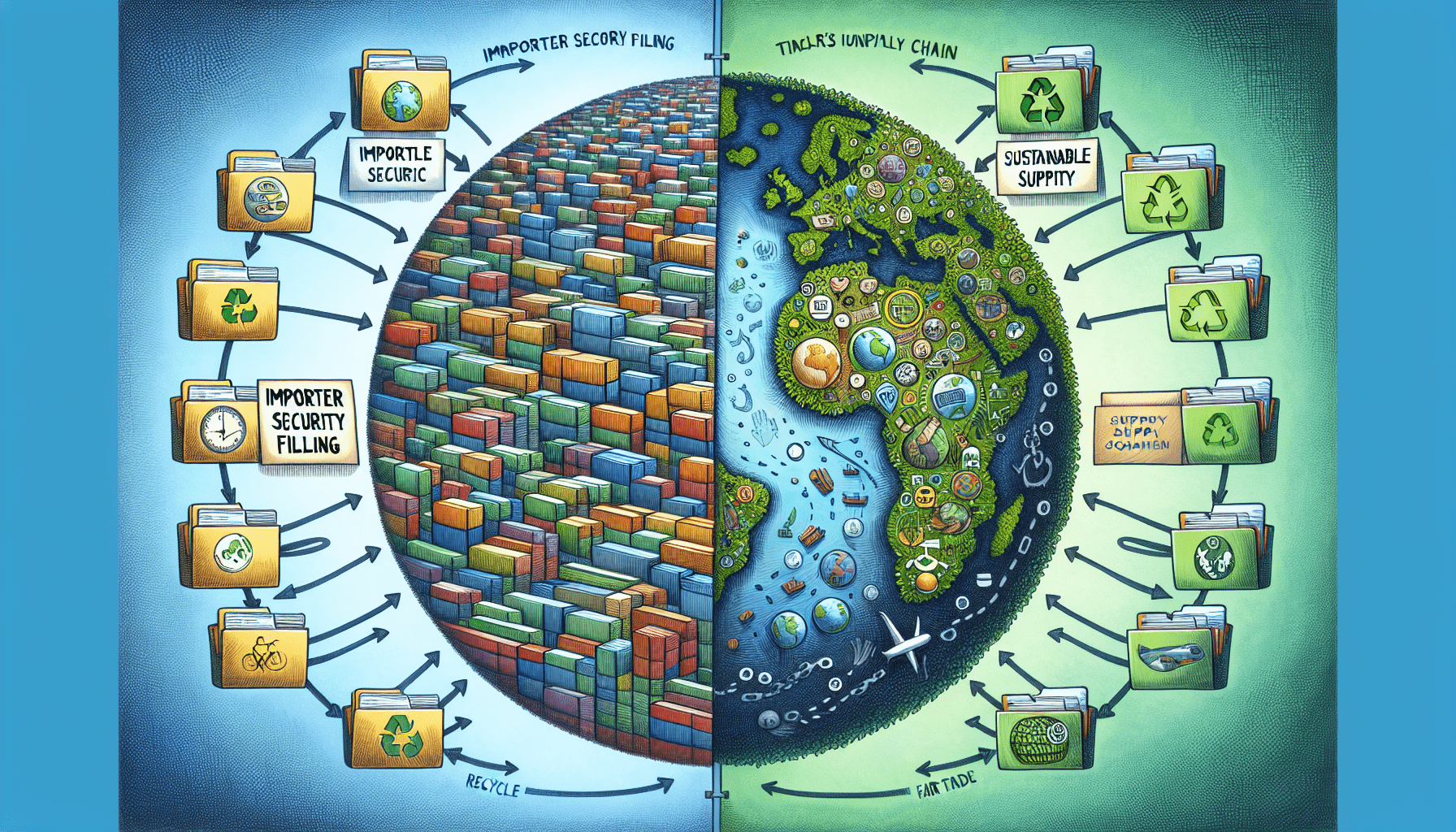
ISF and SSCM might seem unrelated at first glance, but they share a significant interplay. ISF focuses on security and risk management, while SSCM emphasizes sustainability. However, by integrating ISF with SSCM practices, organizations can unlock several benefits and synergies that contribute to a more secure and sustainable supply chain.
Benefits of Integrating ISF with Sustainable Supply Chain Management
Integrating ISF with SSCM enables organizations to enhance supply chain visibility, ensure compliance with environmental regulations, mitigate supply chain risks, improve efficiency and cost-effectiveness, promote social responsibility, and adopt technological solutions for integration. By incorporating the principles of SSCM into ISF processes, organizations can generate positive environmental, social, and economic impacts through their supply chains.
Enhancing Supply Chain Visibility through ISF
How ISF Enhances Supply Chain Visibility
ISF enhances supply chain visibility by requiring importers to provide detailed information about their shipments. This includes data on the importer, consignee, seller, manufacturer, and other parties involved in the supply chain. By collecting and analyzing this information, organizations can gain better visibility into their supply chain activities, identify potential bottlenecks, and improve overall operational efficiency.
Enabling Transparency and Traceability in the Supply Chain
Integrating ISF with SSCM enables organizations to promote transparency and traceability in their supply chains. By accurately documenting and sharing information about the origin, transportation, and handling of goods, organizations can ensure that their supply chains operate ethically and sustainably. Transparent supply chains build trust among stakeholders and enable consumers to make informed choices based on sustainability criteria.
Improving Collaboration and Communication
ISF requires importers to provide accurate and timely information to CBP. This necessitates effective collaboration and communication between importers, freight forwarders, and other supply chain partners. By integrating ISF with SSCM, organizations can foster closer relationships and information sharing across their supply chains, improving coordination, responsiveness, and overall supply chain performance.
Reducing Risks and Enhancing Resilience
ISF helps organizations identify potential security risks associated with imported goods. By integrating ISF with SSCM, organizations can go beyond security risks and assess other risks, such as environmental and social impacts. This broader risk assessment approach enables organizations to proactively manage risks, build resilience, and respond effectively to disruptions or emergencies.
Ensuring Compliance with Environmental Regulations
Environmental Regulations and their Impact on Supply Chain
Environmental regulations and policies aim to reduce the negative impact of industrial activities on the environment. These regulations cover various aspects, including waste management, pollution control, energy consumption, and carbon emissions. Compliance with environmental regulations is vital for organizations to meet legal requirements, maintain their social license to operate, and contribute to global sustainability goals.
How ISF Helps in Ensuring Compliance
ISF plays a key role in ensuring compliance with environmental regulations by collecting and documenting information about the cargo being imported. This information enables organizations to assess whether their imports comply with relevant environmental regulations, such as restrictions on hazardous substances or proper labeling and handling of goods. By integrating ISF with SSCM, organizations can strengthen their environmental compliance efforts and ensure responsible sourcing and transportation of goods.
Supporting the Reduction of Carbon Emissions
Integrating ISF with SSCM enables organizations to support the reduction of carbon emissions throughout the supply chain. By providing accurate information about the country of origin and transportation methods for imported goods, organizations can identify opportunities to optimize transportation routes, switch to low-carbon transport modes, and reduce the carbon footprint associated with their supply chain activities.
Promoting Ethical and Sustainable Practices
ISF requires importers to provide details about the manufacturers or suppliers involved in the production of goods. By integrating ISF with SSCM, organizations can ensure that their suppliers adhere to ethical and sustainable practices. This includes verifying that suppliers comply with labor standards, use environmentally friendly production methods, and engage in responsible sourcing of raw materials. By promoting ethical and sustainable practices, organizations can create a positive impact on society and contribute to the advancement of global sustainability goals.
Mitigating Supply Chain Risks
Understanding Supply Chain Risks
Supply chain risks refer to the potential disruptions or negative impacts that can occur within the supply chain. These risks can include natural disasters, geopolitical instability, supplier failures, quality issues, labor disputes, and regulatory changes. Effective supply chain risk management involves identifying, assessing, and mitigating these risks to minimize their potential impact on the supply chain.
How ISF Contributes to Supply Chain Risk Management
ISF enhances supply chain risk management by providing importers and relevant stakeholders with critical information about the goods being imported. This information enables organizations to assess and manage potential risks more effectively. By integrating ISF with SSCM, organizations can take a broader approach to risk management, considering not only security risks but also environmental, social, and ethical risks associated with their supply chains.
Reducing Supply Chain Disruptions
ISF helps organizations identify potential risks before the goods reach the port of entry, allowing proactive measures to be taken to prevent disruptions. By integrating ISF with SSCM, organizations can further enhance their ability to identify and manage risks. For example, by considering factors like climate resilience and diversification of suppliers, organizations can reduce the likelihood and impact of supply chain disruptions caused by natural disasters, political instability, or other unforeseen events.
Optimizing Supplier Selection and Evaluation
Integrating ISF with SSCM enables organizations to incorporate sustainability criteria into their supplier selection and evaluation processes. By leveraging the information collected through ISF, organizations can assess suppliers’ environmental, social, and ethical performance. This assessment helps organizations choose suppliers that align with their sustainability goals and ensure responsible sourcing practices across their supply chains.
Improving Efficiency and Cost-effectiveness
Streamlining Supply Chain Processes
ISF supports the streamlining of supply chain processes by requiring importers to provide accurate and timely information about their shipments. This information enables CBP to conduct risk assessments and clearance procedures more efficiently. By integrating ISF with SSCM, organizations can further streamline their supply chain processes by considering sustainability criteria in their decision-making and incorporating sustainability-focused performance indicators.
Reducing Manual Work and Administrative Burden
ISF automates the process of providing information to CBP, reducing the manual work and administrative burden associated with traditional paper-based systems. This automation allows importers to focus on value-added activities rather than time-consuming paperwork. By integrating ISF with SSCM, organizations can extend this automation and digitization to other supply chain processes, such as sustainability reporting, data collection, and performance tracking.
Enhancing Inventory Management
ISF provides importers with detailed information about the cargo being imported and its expected arrival time. This information helps organizations optimize their inventory management by accurately forecasting demand and adjusting inventory levels accordingly. By integrating ISF with SSCM, organizations can align their inventory management practices with sustainability goals, ensuring optimal stock levels, minimizing waste, and reducing the environmental impact associated with excess inventory.
Minimizing Costs and Waste
ISF helps organizations identify potential risks and ensure compliance with regulations before the goods reach the port of entry. This proactive approach reduces the likelihood of costly delays, penalties, or rejections of shipments. By integrating ISF with SSCM, organizations can further minimize costs and waste by optimizing their supply chain processes, reducing the use of resources, and implementing sustainable waste management practices.
Promoting Social Responsibility in Supply Chains
The Role of ISF in Promoting Social Responsibility
ISF promotes social responsibility in supply chains by requiring importers to provide information about the manufacturers or suppliers involved in the production of goods. This information enables organizations to verify whether their suppliers adhere to ethical labor practices and social responsibility standards. By integrating ISF with SSCM, organizations can strengthen their focus on social responsibility, ensuring fair labor practices, safe working conditions, and respect for human rights throughout their supply chains.
Ensuring Fair and Ethical Labor Practices
Integrating ISF with SSCM enables organizations to ensure fair and ethical labor practices across their supply chains. By requiring importers to disclose information about the manufacturers or suppliers involved, ISF enables organizations to assess and monitor labor conditions in the production facilities. This assessment helps organizations collaborate with suppliers to improve labor practices, address potential violations, and uphold ethical standards.
Supporting Diverse and Inclusive Suppliers
ISF provides importers with the opportunity to promote diversity and inclusion in their supply chains. By leveraging the information collected through ISF, organizations can identify and support suppliers from underrepresented groups or businesses owned by minorities, women, or other diverse entities. By integrating ISF with SSCM, organizations can take a comprehensive approach to supplier diversity and inclusion, ensuring equitable opportunities and fostering a more inclusive supply chain ecosystem.
Fostering Collaboration and Partnership
ISF fosters collaboration and partnership among importers, freight forwarders, and other supply chain stakeholders. By providing accurate and timely information, ISF enables effective communication and coordination throughout the supply chain. By integrating ISF with SSCM, organizations can extend this collaboration and partnership to address broader sustainability goals. This includes engaging suppliers, customers, and other stakeholders in joint sustainability initiatives, knowledge sharing, and capacity-building efforts.
Adopting Technological Solutions for Integration
Technological Advancements in ISF and Supply Chain Management
Technological advancements have transformed both ISF and supply chain management practices. Automation, digitization, data analytics, and artificial intelligence (AI) have significantly improved the efficiency, accuracy, and transparency of supply chain operations. Furthermore, blockchain technology has emerged as a promising solution for enhancing transparency, traceability, and trust in supply chains.
Integrating ISF with Supply Chain Management Systems
ISF can be seamlessly integrated into supply chain management systems, enabling real-time data exchange, analysis, and decision-making. By integrating ISF with SSCM, organizations can leverage advanced supply chain management solutions to automate regulatory compliance, monitor sustainability performance, and optimize supply chain processes. This integration enhances the visibility, resilience, and sustainability of the entire supply chain.
Utilizing Data Analytics and Artificial Intelligence
Data analytics and AI technologies provide organizations with valuable insights into supply chain operations, risks, and opportunities. By analyzing the data collected through ISF and other supply chain systems, organizations can identify trends, anomalies, and optimization potential. This insight can drive informed decision-making, performance improvements, and sustainability enhancements across the supply chain.
Embracing Blockchain Technology for Transparency
Blockchain technology offers a decentralized and immutable ledger that enables secure and transparent recording of supply chain transactions. By leveraging blockchain, organizations can enhance the traceability and visibility of their supply chains, ensuring the authenticity and integrity of information. This technology can help organizations overcome challenges related to trust, collaboration, and data sharing, ultimately promoting sustainability and accountability in supply chains.
Conclusion
The connection between Importer Security Filing (ISF) and Sustainable Supply Chain Management (SSCM) is multifaceted and offers organizations numerous opportunities. By integrating ISF with SSCM practices, organizations can enhance supply chain visibility, ensure compliance with environmental regulations, mitigate risks, improve efficiency and cost-effectiveness, promote social responsibility, and leverage technological innovations. Leveraging ISF for sustainable practices not only contributes to a safer and more secure supply chain but also enables organizations to make positive environmental and social impacts. As organizations strive to adopt more sustainable practices, integrating ISF with SSCM becomes a crucial step forward. By embracing this connection and implementing recommendations, organizations can navigate the challenges and seize the future prospects of a more sustainable and resilient supply chain ecosystem.