Do I Have To File ISF For Sleeping Bags
Do I Have To File ISF For Sleeping Bags?
So, you’re in the market for some cozy sleeping bags for your next camping trip, but you’re wondering if you need to file an Importer Security Filing (ISF) for them. Good question! Let’s break it down for you.
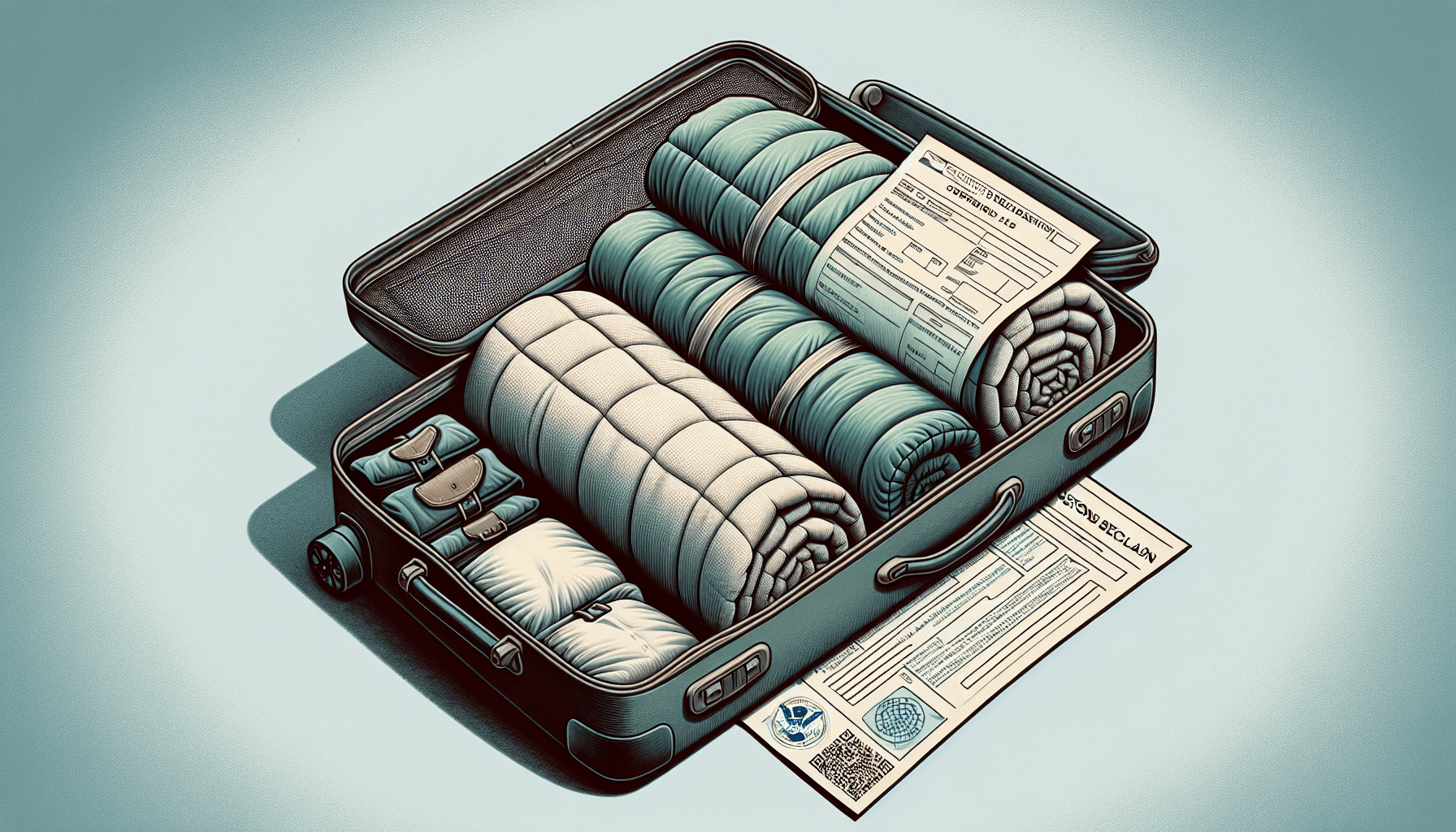
What is an Importer Security Filing (ISF)?
First things first, let’s clarify what an Importer Security Filing (ISF) is. Also known as 10+2, ISF is a requirement by U.S. Customs and Border Protection (CBP) for importers to provide specific information about their cargo before it arrives in the United States.
Why is ISF Important?
ISF is crucial for national security and ensuring the safety of the supply chain. By providing detailed information about incoming cargo, CBP can assess any potential risks and take necessary precautions.
When Do I Need to File an ISF?
Now, let’s get into the nitty-gritty of when you actually need to file an ISF for your sleeping bags.
Type of Shipment
The first thing to consider is the type of shipment you’re receiving. If you’re importing goods into the United States by ocean freight, you will most likely need to file an ISF.
Value of Goods
Additionally, the value of your goods plays a role in determining whether you need to file an ISF. Any shipment with goods valued over $800 requires an ISF.
Carrier Requirements
Your carrier may also have specific requirements when it comes to filing an ISF. Make sure to check with your shipping company to see if they require an ISF for your sleeping bags.
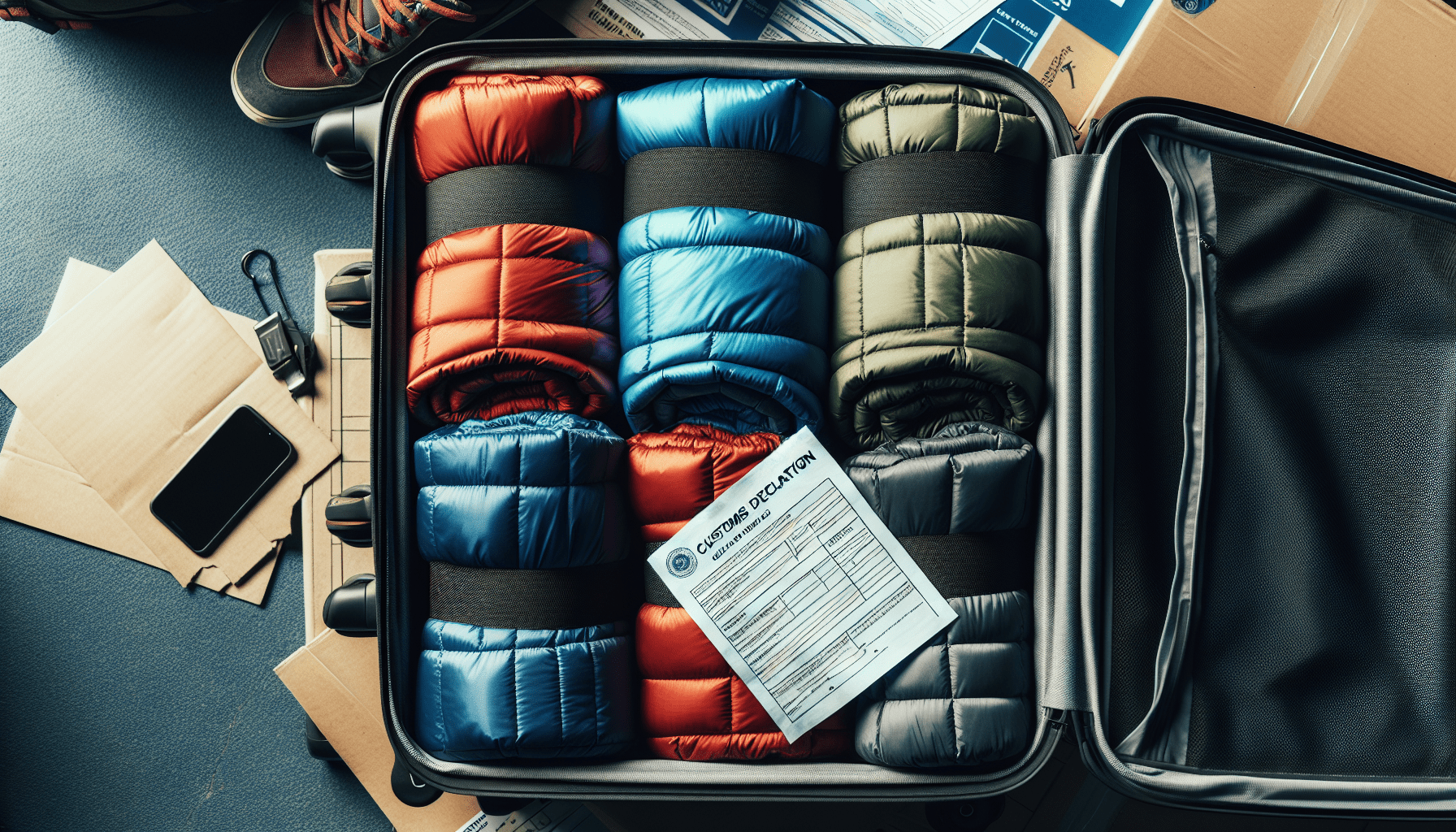
Exceptions to ISF Filing
While the majority of imported goods require an ISF, there are a few exceptions to keep in mind.
Low-Value Goods
If your sleeping bags are valued under $800, you may not need to file an ISF. However, it’s essential to confirm this with your carrier and customs broker to be certain.
Informal Entries
Certain types of entries, known as informal entries, may also be exempt from ISF requirements. Be sure to consult with your customs broker to determine if your shipment qualifies for this exception.
How to File an ISF for Sleeping Bags
Now that you’ve determined that you need to file an ISF for your sleeping bags, let’s go through the steps to ensure a smooth process.
Gather Required Information
Before you can file an ISF, you’ll need to gather specific information about your sleeping bags, including:
- Manufacturer information
- Commodity HTSUS code
- Importer of Record number
- Consignee information
- Container stuffing location
- Consolidator or supplier information
Submit ISF Filing
Once you have all the necessary information, you can submit your ISF filing through the Automated Broker Interface (ABI) or a customs broker. Make sure to do this at least 24 hours before your goods are loaded onto the vessel to avoid any delays or penalties.
Monitor ISF Status
After you’ve submitted your ISF, it’s essential to monitor the status of your filing. You can track your ISF status through your customs broker or the CBP’s Automated Commercial Environment (ACE) portal.
Penalties for Non-Compliance
Failure to comply with ISF requirements can result in significant penalties and delays in clearing your sleeping bags through customs.
Monetary Penalties
If you fail to file an ISF or submit inaccurate information, you may face monetary penalties ranging from $5,000 to $10,000 per violation.
Cargo Holds
Additionally, CBP has the authority to place your cargo on hold if ISF requirements are not met. This can lead to delays in receiving your sleeping bags and additional storage or demurrage charges.
Conclusion
To answer your question – yes, you do need to file an ISF for your sleeping bags if they meet the criteria outlined above. It’s essential to ensure compliance with ISF requirements to avoid any penalties or delays in receiving your goods.
Remember, if you ever have any doubts or questions about filing an ISF, it’s best to consult with a customs broker or shipping expert to guide you through the process smoothly. Happy camping!