Where To File ISF For Arts, Crafts & DIY Toys
Have you ever wondered how to efficiently and correctly file an Importer Security Filing (ISF) for arts, crafts, and DIY toys? Navigating the complexities of international shipping can often be overwhelming, especially when it comes to compliance with regulations. Don’t worry! This guide will walk you through the essentials of filing an ISF for your artistic endeavors.

What is an Importer Security Filing (ISF)?
An Importer Security Filing (ISF) is a document that U.S. Customs and Border Protection (CBP) requires from importers before goods are shipped into the United States. This filing helps improve security measures and contributes to effective risk management strategies.
Why is Filing ISF Important?
Filing your ISF is a legal requirement. If you fail to submit it accurately and on time, you risk facing penalties, delays in shipment, or even seizures of your goods. For businesses dealing in arts and crafts, understanding the nuances of the ISF process can mean the difference between smooth transactions and costly disruptions.
Key Elements of ISF
When preparing your ISF, there are specific data elements that you must include. Here’s a breakdown to help you grasp what information is required.
| Element | Description |
|---|---|
| Importer of Record (IOR) | The entity responsible for the goods in the U.S. |
| Consignee | The person or business receiving the goods. |
| Manufacturer/Supplier | The company that produces or supplies the goods. |
| Country of Origin | Where the goods are produced. |
| Commodity Description | A brief description of the items being shipped. |
| Purchase Order Number | Identifier for the order from which the goods come. |
| HTSUS Number | The Harmonized Tariff Schedule number. |
| Container Stuffing Location | The location where the cargo is loaded into the container. |
Filing your ISF with all the correct elements is crucial for clearing goods without issues upon arrival.
When Should You File Your ISF?
Timing is vital when it comes to submitting your ISF. You are required to file the ISF at least 24 hours before your cargo is loaded onto the vessel that will take it to the United States. This means planning ahead and ensuring you have all necessary documents in order well before the shipping date.
Common Filing Scenarios
- Direct Shipment: If your goods are being sent directly to the U.S. from overseas, ensure your ISF is filed before loading.
- Transshipment: For goods that might change ships during transport, you still need to submit your ISF before the original vessel departs.
Being punctual with your filings will save you headaches down the road.
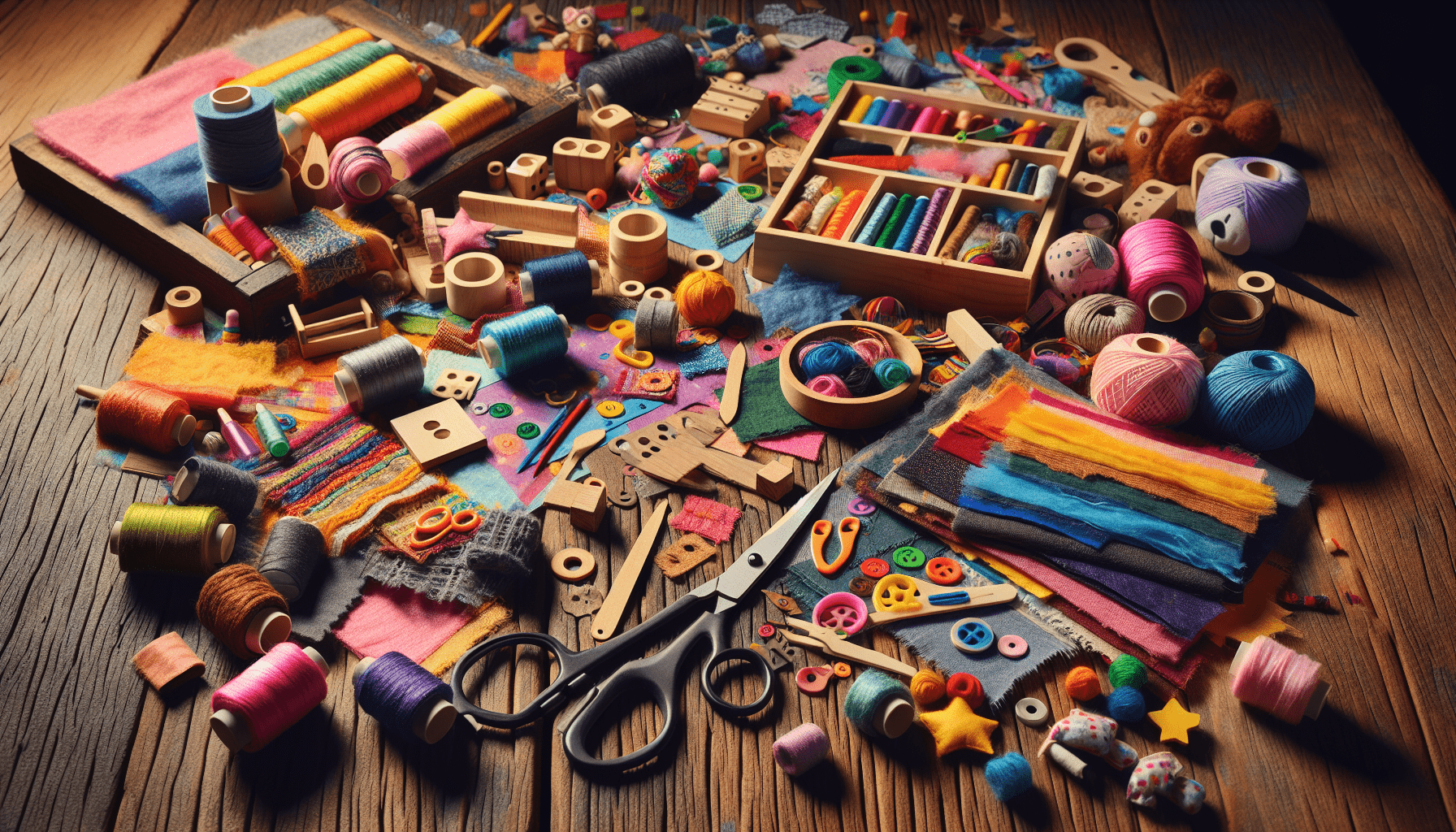
How to File ISF for Arts, Crafts & DIY Toys
Now that you know what ISF is and why it’s important, how do you actually file it? There are methods for filing your ISF, and each has its pros and cons.
Using a Customs Broker
One of the most efficient ways to file your ISF is to use a licensed customs broker. These professionals have the expertise to ensure that your filing is done correctly and on time.
Advantages of Using a Customs Broker
- Expertise: They understand the complex regulations.
- Time-Saving: They manage the paperwork and details.
- Reducing Risk: Less chance of misfiling and incurring penalties.
Filing Promptly on Your Own
If you prefer to handle your ISF independently, you’ll want to use an approved electronic filing system. Many platforms are designed to help you manage your filings, making the process much smoother.
Steps to File Your ISF
- Gather Necessary Documents: Ensure that you have all the required details listed in the table above.
- Choose Your Filing Method: Decide on whether you are filing through a customs broker or electronically.
- Complete the ISF Form: Fill out the required information accurately.
- Submit Your Filing: Make sure to do this at least 24 hours before the ship departs.
You might want to keep a record of your ISF filing, as having documentation can assist in any queries or issues that arise later.
Understanding the Fees Associated with ISF
Filing an ISF doesn’t come without costs. Understanding these fees can help you budget better and avoid unexpected financial burdens.
| Fee Type | Description |
|---|---|
| Customs Broker Fee | The charge for hiring a broker for ISF filing. |
| ISF Filing Fee | Some services or platforms charge per filing. |
| Penalty Fees | Financial penalties for late or incorrect filings. |
It’s always a good idea to get an estimate in advance if you’re working with a customs broker. Transparency helps in maintaining your budgeting plan.
Common Mistakes When Filing ISF
As with any regulatory process, there are common pitfalls you can easily fall into while filing your ISF. Being aware of these mistakes might save you a lot of grief.
Inaccurate Information
One of the most common errors is providing inaccurate or incomplete information. Double-check your details to ensure everything is correct.
Missing Deadline
Failing to file your ISF at least 24 hours before loading can lead to delays and penalties. Always keep track of your shipping schedules!
Lack of Documentation
Missing required documents can delay the clearance process. Make sure all necessary paperwork is ready before you file.
Taking a moment to review and prepare can save you a lot of hassle later.
The Impact of Poor ISF Filing
Poor performance in filing your ISF can have far-reaching consequences. Understanding these impacts can help you appreciate the significance of accurate and timely submissions.
Shipment Delays
If your ISF filing is incorrect or late, your shipment may be delayed. This can disrupt your business operations and affect customer satisfaction.
Financial Penalties
U.S. Customs and Border Protection has established penalties ranging from $500 to $5,000 for violations related to ISF. Such charges can take a huge toll on your business finances.
Loss of Goods
In a worst-case scenario, if your ISF is not filed correctly, your goods may be seized. This could lead to significant losses, especially for valuable art pieces or crafted items.
Awareness of these risks can guide you in focusing on proper filing practices.
Best Practices for Filing ISF for Arts, Crafts & DIY Toys
To make your ISF filing process seamless, consider adopting these best practices.
Stay Organized
Maintaining a system for organizing all shipping documents, invoices, and communication with suppliers will make it easier to compile the required information.
Communicate with Suppliers
Having open lines of communication with your suppliers is essential. Ensure you gather complete and accurate details about your products to file your ISF correctly.
Invest in Software Solutions
Using dedicated software can simplify the filing process for you. Many programs are available to assist with ISF submission, making everything straightforward and user-friendly.
You’ll find that implementing these practices can significantly ease the filing process and contribute to a more efficient logistics routine.
Conclusion
Filing an Importer Security Filing (ISF) for arts, crafts, and DIY toys might seem intimidating at first, but understanding the rules, tips, and best practices makes the process significantly easier. By ensuring that your filing is accurate, submitted on time, and well-documented, you can focus more on what you love—creating and sharing your artistic endeavors—while minimizing the risks associated with international shipping.
So remember, whether you decide to handle the filing on your own or partner with a customs broker, keeping an organized approach will aid you in navigating these waters smoothly. With this guide, you are better equipped to conquer the ISF process, allowing you to concentrate on growing your creative business without a hitch!