Understanding Who Files ISF For Pumps: A Complete Guide
Have you ever wondered about the complexities of filing an Importer Security Filing (ISF) for pumps? If so, you’re in the right place! Understanding the process involves knowing who is responsible for filing, what the requirements are, and how it all impacts your shipping operations.

Understanding Importer Security Filing (ISF)
The Importer Security Filing, often referred to as ISF or “10+2,” is a crucial document for anyone involved in importing goods into the United States. This filing is required by the U.S. Customs and Border Protection (CBP) and serves to enhance the safety, security, and facilitation of international trade.
Why Is ISF Important?
Filing ISF is essential for compliance with U.S. customs regulations. Failure to file properly can lead to hefty fines, shipment delays, or even the denial of entry into the United States. For pumps and other equipment, this means ensuring that all necessary details are correct and submitted on time to avoid penalties.
Who Is Responsible for Filing ISF for Pumps?
Determining who files ISF for pumps involves understanding the roles of various parties in the shipping process. Generally, the primary responsibilities fall on the following:
Importer of Record
The Importer of Record (IOR) is typically responsible for filing the ISF. This can be an individual or a business entity that is ultimately responsible for the importation of goods into the U.S. When you’re importing pumps, ensuring that your company is recognized as the IOR is crucial, as this places the obligation to file correctly on your shoulders.
Customs Brokers
Many businesses appoint customs brokers to handle the paperwork and ensure compliance with customs laws. If you decide to work with a customs broker, they will file the ISF on your behalf. This can be especially helpful for those who are new to international trade or who have a high volume of imports. Having an experienced broker can minimize errors and streamline the process.
Requirements for Filing ISF for Pumps
When filing an ISF for pumps, specific information is required to ensure a smooth and compliant importation process. Here’s the breakdown of what you’ll need:
Key Data Elements Required in ISF Filing
The ISF filing requires ten key data elements, which are outlined here:
| Data Element | Description |
|---|---|
| Importer of Record Name | Name of the entity importing the goods. |
| Importer of Record Address | Complete address of the IOR. |
| Consignee Name | Name of the party that will receive the items. |
| Consignee Address | Address for the consignee. |
| Manufacturer Name | Name of the manufacturer of the pumps. |
| Manufacturer Address | Address where the pumps are manufactured. |
| Seller Name | Name of the seller or supplier. |
| Seller Address | Address of the seller. |
| Country of Origin | Country where the goods are produced. |
| Harmonized Tariff Schedule (HTS) Code | Classification code for the pumps. |
Providing accurate and complete information for each of these elements is essential to avoid delays and fines during customs clearance.
Specific Information for Pumps
In addition to the general ISF requirements, you may also need to provide specific details about the pumps being imported. This can include:
- Type of Pump: Specify whether the pump is a centrifugal pump, positive displacement pump, etc.
- Purpose of Use: Indicate whether the pump is for industrial, agricultural, or another purpose.
- Model Number: Providing the model number can help customs identify the exact product being shipped.
- Quantity: Be specific about the number of pumps being imported to avoid discrepancies during customs checks.
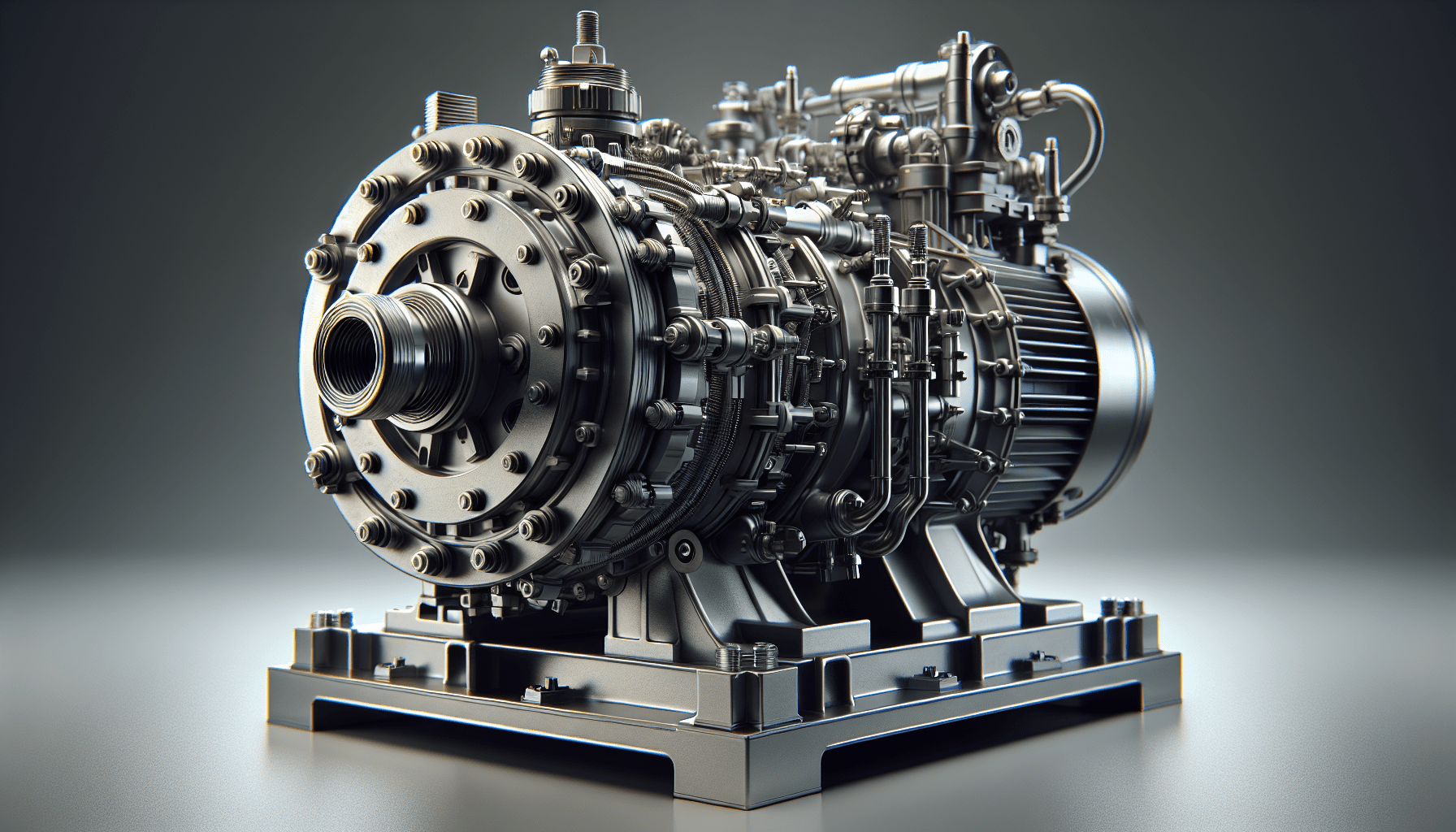
Common Pitfalls in ISF Filing
Filing an ISF can be complicated, and there are some common pitfalls that can lead to issues. Understanding these can help you avoid mistakes.
Incorrect Data Entry
One of the most frequent problems is submitting incorrect information. One small typo can lead to significant complications, including fines or delayed shipments. It’s crucial to double-check all details before submitting the filing.
Late Filings
ISF filings must be submitted at least 24 hours before the goods are loaded onto the vessel bound for the U.S. If you miss this window, your shipment could be delayed, compounded by additional costs. Consider maintaining a schedule to help keep track of filing timelines.
Incomplete Filings
Make sure all required data fields are filled out completely. Incomplete forms can lead to rejection by customs, requiring you to start the filing process again, thus delaying your shipment.
Consequences of Non-Compliance
Failing to comply with ISF requirements can lead to several ramifications. Understanding these consequences is crucial for mitigating risk.
Financial Penalties
The U.S. CBP can impose fines of up to $5,000 per violation for improper ISF filing. That can add up quickly, especially if you regularly import pumps or other equipment.
Shipment Delays
Any discrepancies in your ISF filing can result in customs holding your shipment until all issues are resolved. This can lead to additional costs related to storage and potential business losses if you’re unable to fulfill customer orders on time.
Increased Scrutiny
If you have a history of filing inaccuracies, customs may scrutinize your future shipments more closely. This can result in longer inspection times and additional filings that may complicate your logistics plans.
Best Practices for Filing ISF for Pumps
Implementing a few best practices can greatly enhance your ISF filing process. Here’s how you can streamline your operations:
Work with Reliable Partners
Selecting a dependable customs broker can make a world of difference. They can guide you through the process and ensure that all filings are completed correctly and on time. Look for brokers with experience in the specific category of goods you are importing, such as pumps.
Stay Organized
Keep all relevant documents and records organized. This aids in the timely collection of information required for filing. Consider using a digital document management system to streamline the process.
Regular Training and Updates
If you’re part of an organization that frequently engages in importing pumps, consider conducting regular training sessions on compliance. This helps to keep everyone updated on the latest regulations and filing procedures.
FAQs About ISF Filing for Pumps
Let’s address some common questions you might have.
How far in advance must I file ISF for pumps?
You must file your ISF at least 24 hours before the cargo is loaded onto a vessel. It’s wise to account for unexpected delays by filing as early as possible.
Can I file ISF myself?
Yes, you can file on your own, but it’s recommended to use a customs broker if you’re unfamiliar with the process. They can help avoid common pitfalls and ensure compliance.
What can I do if my ISF is rejected?
If your ISF is rejected, review the notification from CBP to identify the issue. Once corrected, you can resubmit the filing. Consider consulting with your customs broker for assistance in resolving the matter quickly.
The Importance of Proper Documentation for Pumps
Proper documentation is crucial not only for filing ISF but for the entire import process. Ensuring that you have the correct paperwork in place can save you time, money, and hassle.
Key Documents for Importing Pumps
Here are some essential documents you’ll need when importing pumps, in addition to the ISF:
- Commercial Invoice: This document lists the buyer and seller, describes the products, and states the price.
- Bill of Lading: A transport document that serves as a receipt for goods and proof of a contract of carriage.
- Packing List: Details the contents of each package shipped, which helps customs officials in their inspections.
- Certificates of Origin: This document certifies where the goods were produced and can be required for certain tariff considerations.
Keeping Documents Organized
Keep copies of all documents related to your import process in an organized manner to facilitate quick access if needed. This will be invaluable during audits or inspections.
Conclusion
Filing an ISF for pumps doesn’t have to be daunting if you understand the important elements involved. You hold the keys to compliance, whether you choose to file it yourself or collaborate with an experienced customs broker. Remember to pay meticulous attention to detail, be mindful of deadlines, and maintain organized documentation. With these strategies in place, you’ll be well on your way to mastering ISF filings and ensuring smooth import experiences.
If you take the time to learn and implement these best practices, you’ll set yourself up for success in the realm of international shipping. Happy importing!