Everything You Need to Know About ISF For Hydraulic Ironworkers
Have you ever wondered about the customs regulations and requirements for your hydraulic ironworkers? If you are involved in importing or exporting machinery, understanding the Importer Security Filing (ISF) process is crucial. You might be asking yourself, “Do I really need to file an ISF for hydraulic ironworkers?” Let’s break this down in details.
Understanding Importer Security Filing (ISF)
The Importer Security Filing, also known as ISF or “10 + 2,” is U.S. Customs and Border Protection (CBP) requirements established to enhance cargo security and facilitate trade. For most importers, this requirement means that specific information about the shipment must be submitted to CBP before cargo is loaded onto the vessel destined for the United States.
The Purpose of ISF
The primary purpose of the ISF is to prevent terrorist activity and ensure the safety of cargo entering the U.S. Besides security, it also plays a role in risk management for customs officials. By analyzing the submitted data, CBP can determine if a shipment might pose a risk.
Key Components of ISF
ISF requires ten data elements from importers, including the following:
- Seller: The name and address of the seller.
- Buyer: The name and address of the buyer.
- Importer of Record Number: This is usually the IRS number.
- Consignee Number: This can be the CBP assigned number or the IRS number.
- Manufacturer (or Supplier): This is the name and address of the manufacturer or supplier of the good.
- Ship-to Address: The final destination of the merchandise.
- Country of Origin: Where the goods are produced or manufactured.
- HTSUS Number: The Harmonized Tariff Schedule of the United States number for classification purpose.
- Container Stuffing Location: Where the cargo is packed into the shipping container.
- Consolidator: The name and address of the consolidator.
Timeline for Filing ISF
You are required to file the ISF at least 24 hours before the goods are loaded onto the vessel for export to the U.S. This timeline is critical, as failure to comply can result in penalty and increased scrutiny of your 🚢shipments.
Hydraulic Ironworkers: What Are They?
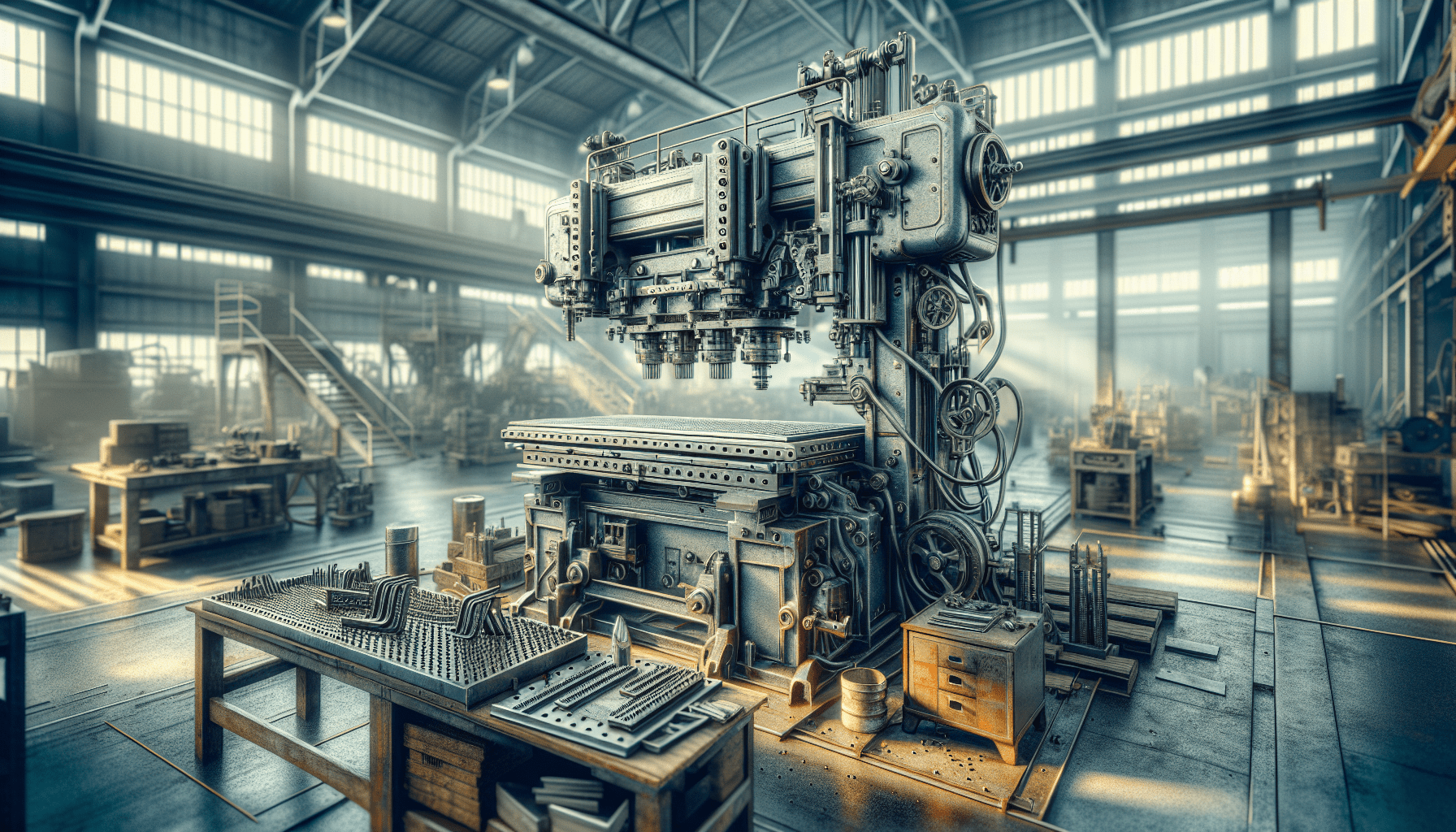
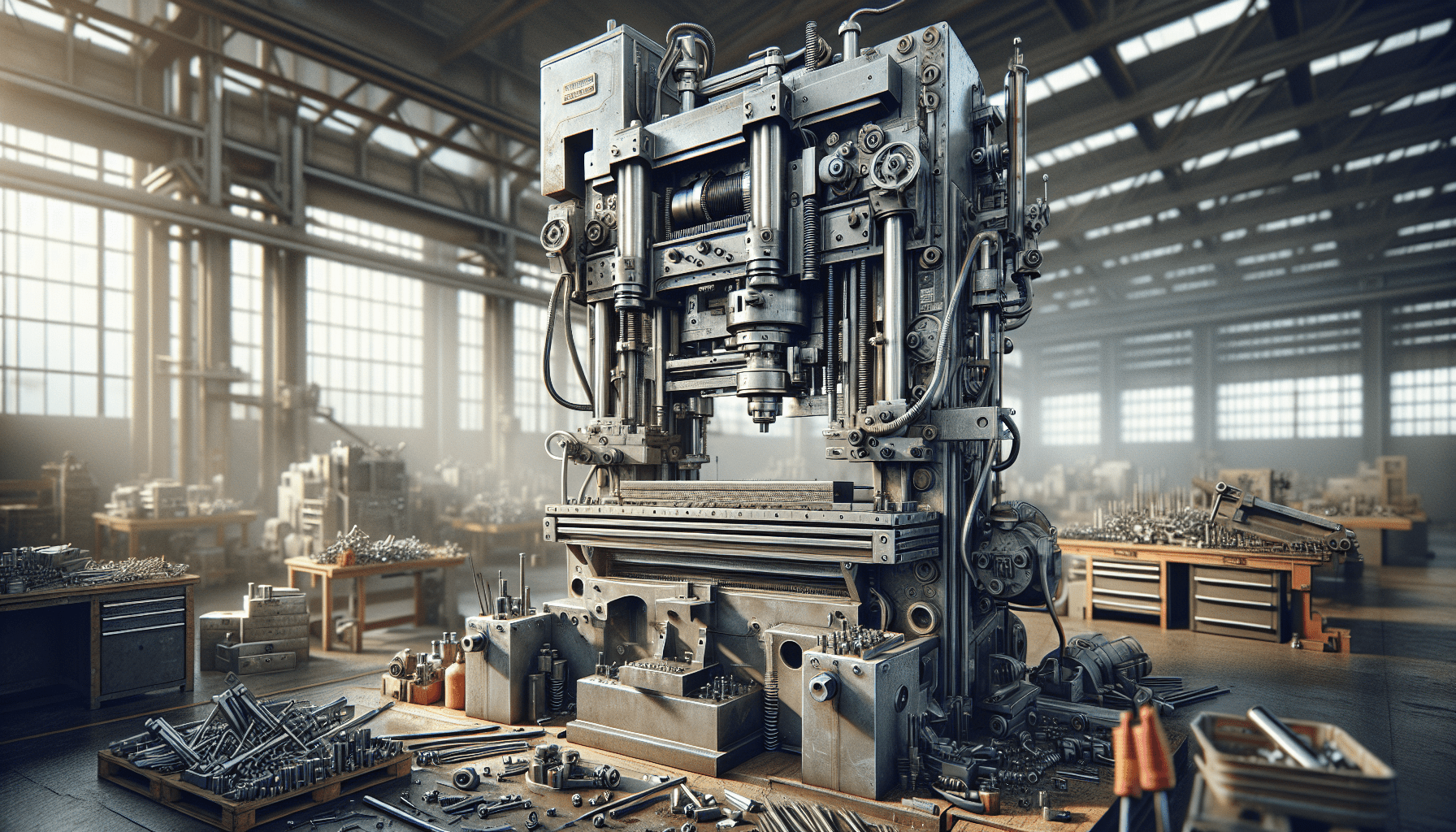
Hydraulic ironworkers are specialized machines used for metalworking & fabrication task. They combine several function such as punching, shearing, and bending, making them essential in construction, manufacturing, and metal fabrication sector.
Importance in Industry
These machine are crucial for constructing buildings, bridge, and various metallic structures. With their ability to handle large quantities of metal with precision, hydraulic ironworkers can make tasks more efficient and safer.
Common Uses of Hydraulic Ironworkers
Hydraulic ironworkers are widely used in various application including but not limited to:
- Metal Fabrication: For creating different metal part and structures.
- Construction Projects: Assembling steel frameworks for buildings and bridges.
- Automotive Industry: For producing parts used in vehicle.
- Shipbuilding and Repair: Facilitating the fabrication of critical components.
Do You Need to File ISF for Hydraulic Ironworkers?
Now, onto the burning question: Do you have to file an ISF for hydraulic ironworkers? The short key is yes, but let’s break it down further.
Regulatory Requirements for Hydraulic Ironworkers
Since hydraulic ironworkers are considered cargo and not just personal item, they fall under the regulated items by CBP. This means that the ISF filing applies to them just like any other commercial goods.
Special Considerations for Hydraulic Ironworkers
When it comes to hydraulic ironworkers, there are some specific details to keep in mind:
- Classification: You need to ensure that you understand the Harmonized Tariff Schedule (HTS) classification for hydraulic ironworkers. Choosing the wrong classification can lead to issues with customs.
- Country of Origin: Make sure to accurately declare the country where the ironworkers are manufactured. This detail is essential for compliance and can influence duty and tariffs.
- Documentation: Ensure you have all necessary documentation ready and accurate before filing the ISF. Missing or incorrect information can lead to delays or penalties.
Consequences of Non-Compliance
Failing to file the ISF can lead to significant consequences, which can affect not only your current shipment but also your business in the long run.
Monetary Penalties
One of the immediate consequence of non-compliance is the potential for monetary fines. CBP can impose penalties for not filing the ISF correctly, filing late, or for providing inaccurate information.
Shipment Delays
If you do Not file your ISF on time or if there are issues with your filing, your shipment could be delayed. This can be particularly problematic if you’re relying on timely delivery for ongoing project.
Negative Impact on Reputation
Repeated non-compliance can lead to increased scrutiny from customs officials, impacting your reputation as an importer. It may result in more frequent inspections and even increased cost in the long run due to heightened security requirement.
How to File ISF for Hydraulic Ironworkers
Filing an ISF can seem daunting, but with the right step, it can be a straightforward processes. Here’s how you can do it.
Collecting Necessary Information
Before filing, ensure you have all the required data in hand. it is essential to gather each of the ten data element needed for a smooth process.
Choose a Reliable Filing Method
You have several option for filing your ISF:
- Use a Customs Broker: This can be an excellent options for importers unfamiliar with the process. Customs brokers are expert in navigating customs regulations.
- Online Filing: If you prefer to do it yourself, you can file your ISF through CBP’s Automated Broker Interface (ABI) and various third-party software solutions.
Submit Your ISF
Once you have gathered all the required information and chosen the best filing method for you, submit your ISF at least 24 hour before the cargo is loaded onto the vessel.
Confirm Submission and Await Acknowledgment
After submitting, confirm that your ISF has been filed successfully. You should receive acknowledgment from CBP. Save that confirmation for your records, as it may be required for future reference.
ISF Amendments and Corrections
Sometimes, you might need to amend or correct your ISF after submission. It’s crucial to address any issues promptly to avoid penalties.
When to Amend
If you notice that you have submitted incorrect information or if there are changes in shipping detail, you should initiate an amendment as soon as possible.
How to Amend
To amend an ISF, you will need to follow the same process used for the initial filing, providing corrected data. If you’re working with a customs broker, they can assist you with this process.
Keeping Records
As with any customs documentation, maintaining accurate record of your ISF filings is critical.
Documentation Requirements
You should keep copy of your ISF confirmations, communication with your customs broker, and any supporting document for at least five year. This is essential in case of audits or inquiry from customs officials.
Best Practices for Smooth ISF Filing
To simplify the ISF filing process, consider adopting some best practice.
Stay Informed
Keep yourself updated on any change in customs regulations that might affect your operations. This will help you anticipate any necessary adjustment in your filing process.
Use Reliable Software
If you decide to file the ISF yourself, ensure that you use reputable software or platforms that are designed for customs compliance.
Collaborate with Experienced Professionals
Whether it’s a customs broker or logistics provider, working with individuals who have experience in customs regulations can significantly smooth out the process.
Conclusion
So, do you have to file ISF for hydraulic ironworkers? Absolutely! Understanding the importance of the ISF process is essential for anyone involved in 📦importing this valuable machinery. By adhering to the regulations and staying organized, you can ensure a smoother experience when bringing hydraulic ironworkers into the U.S.
If you remain vigilant an proactive in your compliance effort, you can focus more on running your business and less on navigating potential pitfalls in customs regulations. Remember, the smoother your operations, the better your chance for success.
Investing time in understanding customs process today can save you headaches tomorrow.