Do I Have To File ISF For Joints Fixation Brace
If you are importing joints fixation braces into the United States, you may be wondering whether you need to file an Importer Security Filing (ISF) for these medical devices. The ISF requirement applies to certain shipments entering the country by ocean freight, and it is critical to ensure compliance with Customs and Border Protection regulations. Before importing joints fixation braces, make sure to carefully review the ISF requirements to avoid any potential delays or penalties.

Introduction
Have you ever wondered if you need to file an Importer Security Filing (ISF) for a Joints Fixation Brace? This article delves into the requirements for filing ISF for medical devices like the Joints Fixation Brace and provides you with the necessary information to ensure compliance with Customs and Border Protection regulations.
Understanding ISF for Medical Devices
Filing an Importer Security Filing (ISF) is a mandatory requirement for shipments entering the United States by ocean. The ISF must be submitted by the importer or their authorized agent at least 24 hours before the goods are loaded onto a vessel bound for the U.S. Failure to comply with ISF requirements can result in penalties and delays in customs clearance.
Overview of Joints Fixation Brace
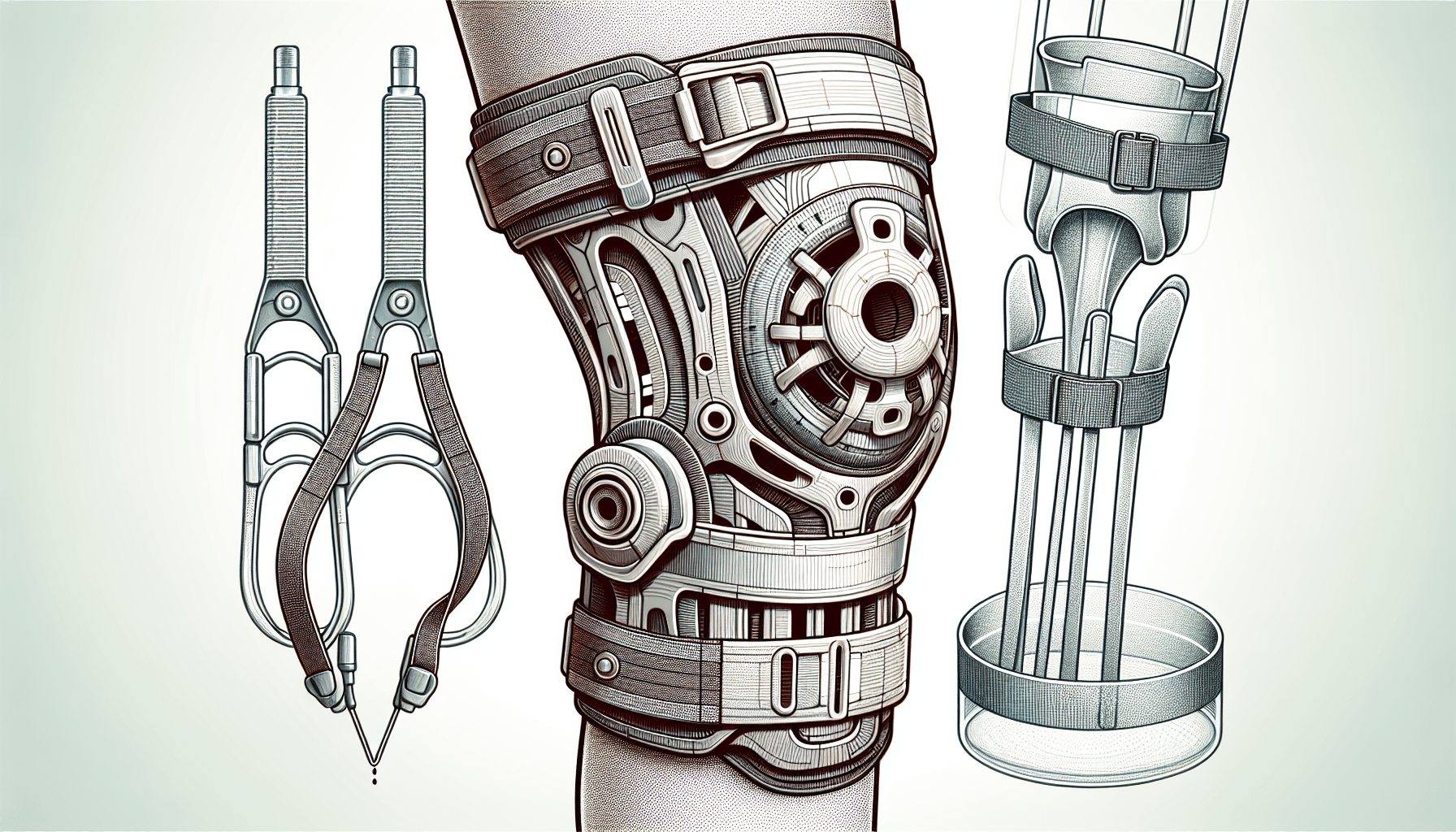
A Joints Fixation Brace is a medical device used to support and stabilize joints in the body. It is commonly used in orthopedic procedures to immobilize or restrict movement in injured or weakened joints. The Joints Fixation Brace is classified as a medical device by the U.S. Food and Drug Administration (FDA) and is subject to regulatory requirements for importation.
ISF Requirements for Medical Devices
When it comes to filing ISF for medical devices like the Joints Fixation Brace, there are specific requirements that importers need to be aware of. Here are some key points to consider:
HTS Classification
The first step in determining whether you need to file ISF for a Joints Fixation Brace is to correctly classify the product under the Harmonized Tariff Schedule (HTS). The HTS code for medical devices may vary depending on the specific features and intended use of the product. It is important to accurately classify the Joints Fixation Brace to ensure compliance with customs regulations.
Manufacturer Information
When filing ISF for a medical device, you will need to provide detailed information about the manufacturer of the product. This includes the name and address of the manufacturer, as well as any other relevant contact information. Ensuring that the manufacturer information is accurate and up-to-date is essential for customs clearance.
Country of Origin
The country of origin of the Joints Fixation Brace is another important factor to consider when filing ISF. The country of origin is used to determine the applicable duty rates, as well as any trade agreements or special programs that may apply to the importation of the product. It is crucial to accurately identify the country of origin to avoid any issues with customs clearance.
Importer of Record
As the importer of record, you are responsible for ensuring that the ISF for the Joints Fixation Brace is filed accurately and on time. This includes providing relevant information about the shipment, such as the vessel name and voyage number, container number, and arrival port. Working with a customs broker or freight forwarder can help ensure that the ISF is filed correctly.
Bond Requirements
In some cases, importers may be required to obtain an import bond when filing ISF for medical devices like the Joints Fixation Brace. An import bond serves as a financial guarantee to Customs and Border Protection that the importer will fulfill their obligations, such as paying any duties or penalties that may be owed. It is important to understand the bond requirements for your shipment to avoid any delays in customs clearance.
Common Mistakes to Avoid
When filing ISF for a Joints Fixation Brace, there are several common mistakes that importers should be aware of to ensure compliance with customs regulations. Here are some pitfalls to avoid:
Inaccurate Product Description
One common mistake when filing ISF for medical devices is providing an inaccurate or incomplete product description. It is essential to provide detailed information about the Joints Fixation Brace, including its intended use, materials, and features. Failing to accurately describe the product can result in delays in customs clearance.
Incorrect HTS Classification
Another common mistake is incorrectly classifying the Joints Fixation Brace under the HTS. The HTS code determines the duty rates and regulatory requirements that apply to the product. Importers should carefully review the product specifications and consult with a customs broker or regulatory expert to ensure the correct classification.
Missing Manufacturer Information
Failing to provide accurate manufacturer information when filing ISF for a medical device is another common mistake that importers should avoid. Customs regulations require importers to provide detailed information about the manufacturer, including their name, address, and contact information. It is crucial to ensure that this information is complete and up-to-date.
Late Filing
One of the most critical mistakes to avoid is filing the ISF for the Joints Fixation Brace late. The ISF must be submitted at least 24 hours before the goods are loaded onto a vessel bound for the U.S. Failure to meet this deadline can result in penalties and delays in customs clearance. Importers should make sure to file the ISF on time to avoid any issues with their shipment.
Conclusion
In conclusion, filing an Importer Security Filing (ISF) for a Joints Fixation Brace is a necessary step to ensure compliance with customs regulations when importing medical devices into the United States. By understanding the requirements for ISF and avoiding common mistakes, importers can streamline the customs clearance process and prevent delays in their shipments. If you have any questions or need further assistance with filing ISF for a Joints Fixation Brace, it is recommended to consult with a customs broker or regulatory expert for guidance.