Do I Have To File ISF For Toe Lasting Machines
Have you ever found yourself knee-deep in the complexities of import regulations and wondered about the process for filing Importer Security Filings (ISF) for toe lasting machines? You’re not alone! It’s a question many in the footwear manufacturing industry grapple with. Understanding whether you need to file an ISF for toe lasting machines can significantly impact your shipping process, so let’s get into the nitty-gritty.

What is an Importer Security Filing (ISF)?
The Importer Security Filing, commonly referred to as ISF, is a U.S. Customs and Border Protection (CBP) requirement aimed at enhancing maritime security. Essentially, it mandates that importers provide specific information about their shipments before they arrive in the U.S.
Filing the ISF correctly and on time is crucial for ensuring that your shipments clear customs smoothly. If you’re importing toe lasting machines or any other goods, familiarity with the ISF process can save you from delays, additional fees, and potential legal issues.
Why is ISF Important?
ISF plays a vital role in helping the U.S. government prevent illegal activities, such as smuggling and trafficking. By requiring importers to disclose shipment information ahead of arrival, CBP can more effectively analyze risks associated with incoming cargo.
Moreover, compliance is not just a matter of best practices; failing to file an ISF or submitting incorrect information can result in monetary penalties. If you’re in the business of importing toe lasting machines, understanding this can be critical for your operations.
Key Information Required for Filing ISF
When preparing to file your ISF for toe lasting machines, there are specific pieces of information you’ll need to compile. The ISF, often called “10+2,” requires both 10 data elements from the importer and 2 from the vessel operator. Here’s what you should know:
| ISF Data Elements | Description |
|---|---|
| 1. Importer of Record Number | The unique identifier for the importer. |
| 2. Consignee Number | The unique identifier for the party receiving the goods. |
| 3. Manufacturer (or Supplier) | Name and address of the manufacturer or supplier of the goods. |
| 4. Seller | Name and address of the seller. |
| 5. Ship to party | Name and address of the entity that will receive the goods. |
| 6. Country of Origin | The country where the merchandise is produced. |
| 7. Harmonized Tariff Schedule (HTS) Number | A code used to classify goods for tariff purposes. |
| 8. Importer Security Filing number | The ISF number assigned to your filing. |
| 9. Description of the Goods | Detailed description of the merchandise being shipped. |
| 10. Container Status Messages | Details regarding the container, if applicable. |
| Additional Data Elements from Vessel Operator | Description |
|---|---|
| 1. Vessel Name | Name of the ship carrying the cargo. |
| 2. Voyage Number | The identification number for the ship’s journey. |
Deadlines for Filing ISF
Timing is everything! It’s essential to know when the ISF must be filed in relation to your shipment. The deadline is usually set for 24 hours prior to cargo loading onto a vessel. By adhering to this timeline, you can prevent delays in customs clearance when your toe lasting machines arrive at their destination.
Do You Need to File an ISF for Toe Lasting Machines?
Now that you have a foundation on ISF, let’s address your primary concern: do you need to file an ISF for toe lasting machines specifically?
Classification of Toe Lasting Machines
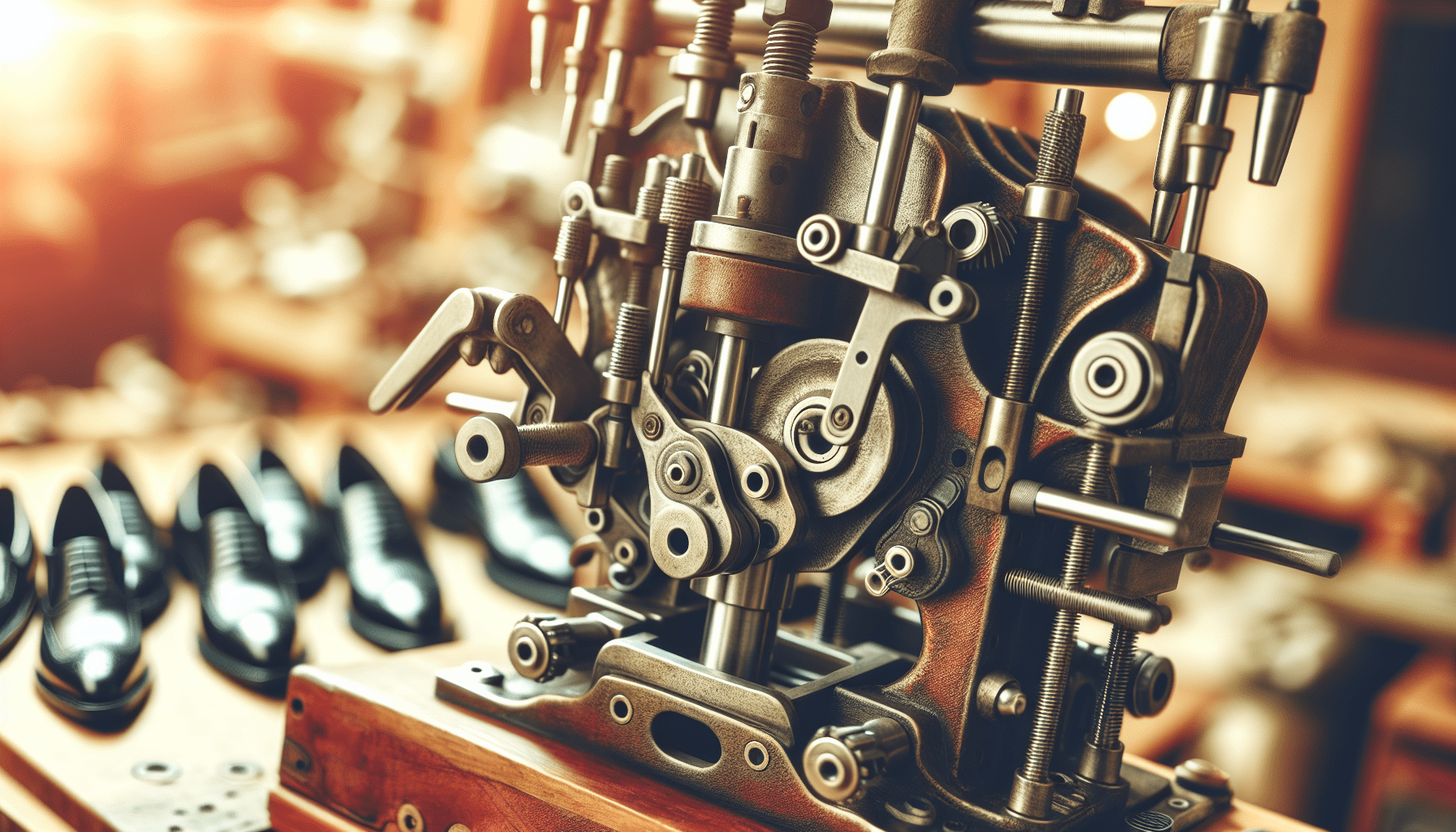
Toe lasting machines are specialized equipment used in the footwear manufacturing process, particularly for attaching the toe caps to shoe uppers. Their classification in the Harmonized Tariff Schedule (HTS) is crucial in determining whether ISF needs to be filed.
If your toe lasting machines fall under the categories listed by the CBP, you will almost always need to file an ISF. Typically, any machinery, tools, or equipment that meets the qualifications for commercial use and is being imported into the U.S. will require ISF submission.
Confirmation with Your Customs Broker
One of the best steps you can take is to consult with your customs broker. They can provide personalized advice based on your specific scenario, ensuring that your toe lasting machines are classified correctly and that you have all the necessary documentation for the import process.
Consequences of Not Filing an ISF
Failure to file an ISF could lead to various repercussions. Understanding these can underscore the importance of following through with the filing process.
Financial Penalties
The U.S. Customs and Border Protection has strict penalties for non-compliance. Fines can rack up significantly, especially if repeated violations occur. These fees can impact your bottom line and complicate your relationship with suppliers and customers.
Delayed Shipments
If your ISF is not filed correctly or on time, your shipment may be subjected to delays. This can lead to increased shipping costs, missed business opportunities, and problems with customer satisfaction.
Increased Scrutiny
Repeated offenses or mistakes in ISF filing can lead to increased scrutiny from customs. You could find your shipments regularly flagged for thorough inspections, which can further delay your operations.
Best Practices for Filing ISF for Toe Lasting Machines
To simplify the filing process and ensure compliance, consider these best practices:
Stay Updated on Regulations
Import regulations can shift over time, so it’s essential to stay informed about any changes that may affect your business, particularly concerning toe lasting machines. Subscribe to industry newsletters or join relevant associations that can keep you in the loop.
Work with Experienced Professionals
Engaging with experienced customs brokers or freight forwarders can provide invaluable support. They will help ensure your ISF filings are accurate, timely, and compliant with the latest regulations.
Consolidate Your Information
Organizing your documentation can make the filing process go more smoothly. Keep a checklist of all required information related to your toe lasting machine imports, making sure all elements align with ISF requirements.
Alternative Options for Importing Toe Lasting Machines
If you find the ISF process daunting, you might be exploring options such as purchasing toe lasting machines locally rather than importing them. While this may simplify the process, it’s essential to weigh the pros and cons.
Pros of Local Purchases
- Simplified Compliance: When you purchase within the U.S., you avoid the complexities of international shipping and ISF filing.
- Quicker Availability: Local suppliers can often provide machines faster, getting you up and running without the wait that comes with international shipping.
- Easier Support: Local purchases simplify any potential maintenance or issues, allowing for quicker service.
Cons of Local Purchases
- Cost: Imported toe lasting machines can sometimes be more cost-effective, particularly if you’re sourcing them from regions known for manufacturing footwear equipment.
- Limited Selection: You may find that local suppliers don’t carry the specific brand or type of machine that fits your production needs.
In Conclusion
Navigating the requirements for filing an ISF for toe lasting machines may initially seem overwhelming, but taking the time to understand the process and its importance can prove beneficial in the long run. You now know why the ISF is vital, what information is needed, and how to avoid common pitfalls.
Filing an ISF might seem tedious, but it’s a crucial step in ensuring that your toe lasting machines import process runs smoothly. Remember, consulting a customs broker can be a game-changer, providing you with tailored advice and support as you figure out your import strategy. Ultimately, being well-informed and prepared can pave the way for your business’s success. Happy importing!