How Does Importer Security Filing Contribute To Supply Chain Security?
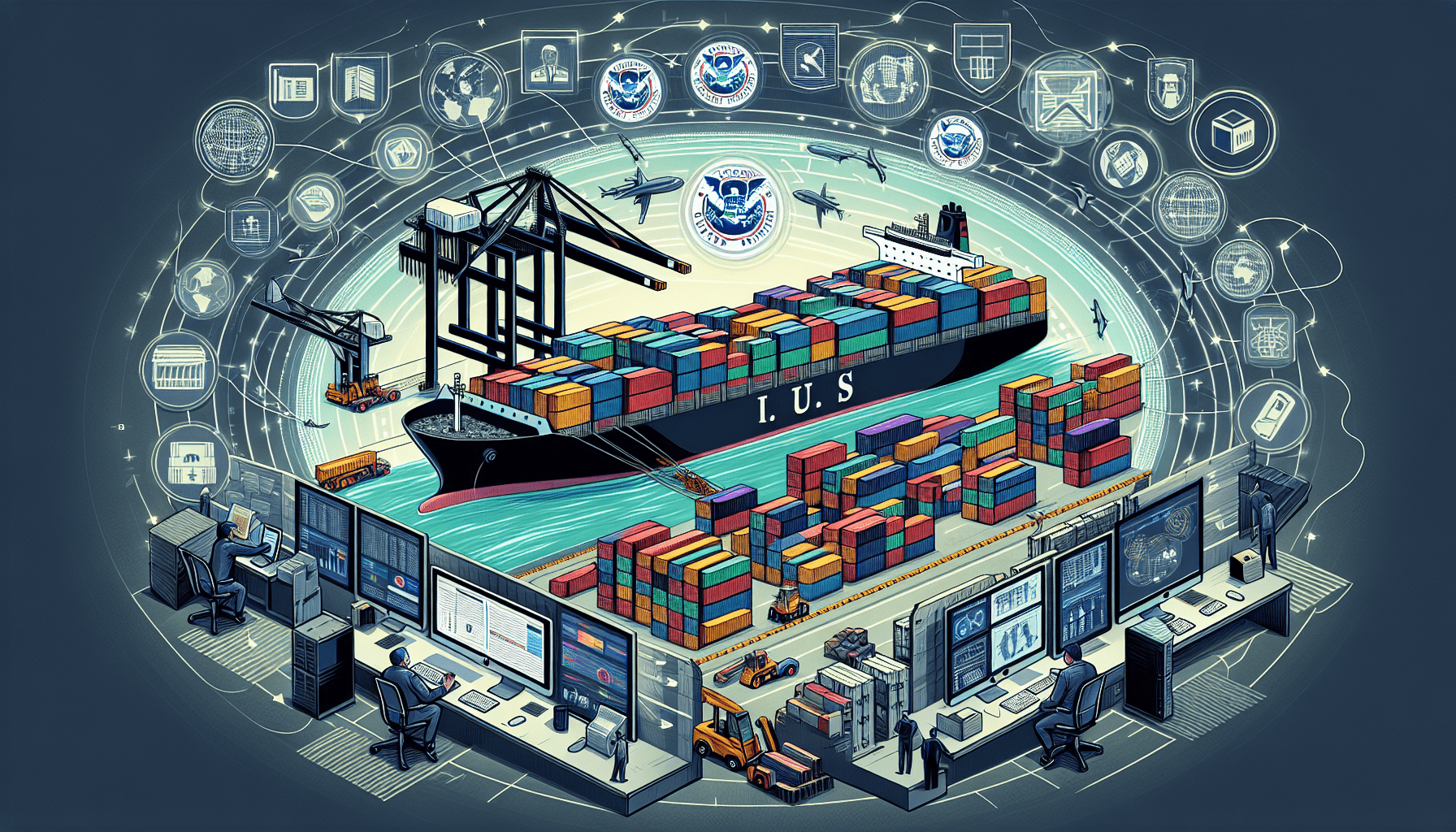
In today’s globalized world, ensuring the security of supply chains is of utmost importance. An essential tool in achieving this is the Importer Security Filing (ISF), a program implemented by U.S. Customs and Border Protection (CBP). This program requires importers to submit important information regarding their shipments before they arrive at U.S. ports. By doing so, the CBP gains valuable insight into the cargo being imported, allowing them to identify and mitigate potential security threats. The Importer Security Filing not only helps protect the nation from potential risks, but it also plays a significant role in maintaining the efficiency and integrity of the supply chain system.
What is Importer Security Filing?
Definition
Importer Security Filing (ISF), also known as 10+2, is a program implemented by U.S. Customs and Border Protection (CBP) that requires importers to submit detailed information about their shipments before they arrive in the United States. This information includes data about the cargo, vessel, and parties involved in the transaction.
Purpose
The main purpose of Importer Security Filing is to enhance supply chain security by providing CBP with advanced information about imported goods. This allows for better risk assessment and enables CBP to identify high-risk shipments before they reach U.S. ports. By collecting this information in advance, CBP can focus its resources on inspecting and targeting potentially dangerous cargo, thereby mitigating security risks.
Requirements
Under the Importer Security Filing program, importers are required to submit specific data elements about their shipments no later than 24 hours before loading the cargo onto a vessel bound for the United States. This includes information such as the manufacturer, seller, and buyer of the goods, as well as the vessel’s voyage and container details. Failure to comply with these requirements can lead to penalties and shipment delays.
Importance of Supply Chain Security
Protection against terrorism
Supply chain security is vital in protecting against terrorist threats. By implementing measures such as Importer Security Filing, authorities can identify and intercept shipments that may contain weapons, explosives, or other contraband. This proactive approach to security helps prevent these items from reaching their intended destinations, potentially saving lives and safeguarding national security.
Prevention of smuggling
Smuggling is a significant concern in international trade. Importer Security Filing plays a crucial role in preventing the smuggling of illegal goods, including drugs, counterfeit products, and prohibited items. By collecting comprehensive data about the cargo and its parties, CBP can identify suspicious shipments and take appropriate action to prevent their entry into the country.
Mitigation of security risks
Supply chains are vulnerable to various security risks, including theft, sabotage, and unauthorized access. Enhancing supply chain security through measures like Importer Security Filing helps mitigate these risks by increasing visibility and control over the movement of goods. By identifying potential vulnerabilities and implementing preventive measures, importers can better protect their supply chains from potential threats.
Contributions of Importer Security Filing to Supply Chain Security
Enhanced visibility
Importer Security Filing contributes to enhanced visibility by providing timely and accurate cargo data to CBP. This data includes details about the contents of the shipment, the parties involved, and the vessel’s voyage. By having access to this comprehensive information, CBP can better monitor and track the movement of goods, improving their ability to identify and respond to potential security threats.
Risk identification and mitigation
One of the key contributions of Importer Security Filing is the identification and mitigation of security risks. By requiring importers to provide data in advance, CBP can perform advanced risk assessments and target high-risk cargo for additional scrutiny. This helps prevent potential security breaches and allows for the timely intervention in case of suspicious shipments.
Improved collaboration and information sharing
Importer Security Filing promotes improved collaboration and information sharing between government agencies and importers. By establishing clear communication channels, importers can work closely with CBP and other relevant entities to address security concerns effectively. This collaborative approach fosters a proactive stance in securing the supply chain and allows for the timely sharing of intelligence and threat information.
Enhanced Visibility
Timely and accurate cargo data
One of the primary benefits of Importer Security Filing is the provision of timely and accurate cargo data. By requiring importers to submit this information in advance, CBP gains a comprehensive understanding of the goods entering the country. This data includes details such as the description, quantity, and packaging of the cargo, ensuring that CBP has the necessary information to assess the security risks associated with each shipment.
Identification of suspicious shipment
Importer Security Filing enables the identification of suspicious shipments through the comprehensive data provided by importers. By analyzing the information submitted, CBP can identify patterns or anomalies that may indicate potential security threats. This enables CBP to take proactive measures to investigate and address any suspicions, thereby enhancing supply chain security.
Tracking and tracing capabilities
Through Importer Security Filing, the ability to track and trace cargo is significantly improved. By collecting data about the vessel’s voyage, carrier, and container details, CBP can accurately track the movement of goods from the point of origin to the destination. This capability not only helps in ensuring the security of the cargo but also enables better logistical planning and coordination within the supply chain.
Risk Identification and Mitigation
Advanced screening for high-risk cargo
Importer Security Filing facilitates advanced screening for high-risk cargo by providing CBP with detailed information about each shipment. This enables CBP to focus their resources on inspecting high-risk cargo and ensures swift clearance for low-risk shipments. By targeting their efforts effectively, CBP can mitigate security risks while minimizing disruptions to the flow of goods in the supply chain.
Prevention of unauthorized access to the supply chain
Unauthorized access to the supply chain poses a significant security risk. Importer Security Filing contributes to the prevention of unauthorized access by ensuring that only legitimate shippers are involved in the transaction. The requirement for importers to provide information about the parties involved in the shipment helps CBP verify the authenticity and credibility of the supply chain, reducing the chances of unauthorized infiltration.
Identification and verification of legitimate shippers
Through Importer Security Filing, CBP can accurately identify and verify legitimate shippers. By collecting information about the manufacturer, seller, and buyer of the goods, CBP can authenticate the parties involved in the transaction and ensure compliance with customs regulations. This verification process helps in reducing the risk of fraudulent activities within the supply chain and strengthens overall security measures.
Improved Collaboration and Information Sharing
Coordinated efforts between government agencies and importers
Importer Security Filing promotes coordinated efforts between government agencies, such as CBP, and importers. By establishing clear communication channels and collaborative frameworks, importers can work closely with CBP to address security concerns effectively. This coordination allows for the timely exchange of information, streamlines security procedures, and enhances overall supply chain security.
Sharing of intelligence and threat information
Through Importer Security Filing, importers and CBP can share intelligence and threat information to strengthen supply chain security. By pooling their resources and expertise, both parties can gain valuable insights into emerging security threats and develop appropriate countermeasures. This information sharing fosters a proactive approach to security, enabling importers to respond swiftly to potential risks and challenges.
Fostering partnerships for supply chain security
Importer Security Filing fosters partnerships between importers, carriers, and other entities involved in the supply chain. By collaborating on security initiatives and sharing best practices, these partnerships strengthen the overall security posture of the supply chain. This collaborative approach promotes a shared responsibility for security and ensures a more robust and resilient supply chain ecosystem.
Benefits of Importer Security Filing
Reduces delays and processing times
Importer Security Filing helps in reducing delays and processing times at U.S. ports. By submitting detailed information in advance, importers enable CBP to pre-screen the cargo before its arrival. This enables CBP to expedite the clearance process for low-risk shipments, reducing wait times for importers and ensuring a more efficient flow of goods in the supply chain.
Minimizes financial losses due to theft or damage
Supply chain security is vital in minimizing financial losses due to theft or damage. By implementing Importer Security Filing, importers can enhance the visibility and control over their shipments, reducing the risk of theft or damage. This proactive approach to security helps protect the value of the goods and ensures that they reach their intended recipients intact, minimizing financial losses for all parties involved.
Ensures compliance with customs regulations
Importer Security Filing ensures that importers comply with customs regulations and requirements. By providing accurate and timely information, importers demonstrate their commitment to transparency and adherence to legal obligations. This compliance helps establish trust between importers and CBP, facilitating smoother trade and enhancing the overall integrity of the supply chain.
Concerns and Challenges
Impact on small importers
While Importer Security Filing has numerous benefits, it can pose challenges, particularly for small importers. The additional administrative burden of providing detailed information in advance may be more resource-intensive for smaller businesses. These importers may need to invest in technology or third-party services to comply with the requirements, which could present financial challenges. Addressing the impact on small importers is crucial to ensure that the benefits of Importer Security Filing are accessible to all stakeholders in the supply chain.
Potential infringement on privacy
The detailed information required by Importer Security Filing raises concerns about potential infringements on privacy. Importers may be hesitant to provide certain sensitive information, especially if they perceive a risk of that information being misused or compromised. Balancing the need for enhanced security with the protection of personal and business data is a critical consideration in designing and implementing effective supply chain security measures.
Resource requirements for implementation
Implementing Importer Security Filing requires a significant investment of resources, both in terms of technology and manpower. Importers need to have the necessary infrastructure and software systems to collect, transmit, and manage the required data. Training personnel on the filing procedures and ensuring ongoing compliance can also be resource-intensive. Adequate support and guidance from relevant authorities are crucial to help importers effectively meet the requirements without imposing an excessive burden.
Future Developments and Trends
Technological advancements in cargo screening
Technology plays a crucial role in enhancing supply chain security, and future developments are expected to further improve cargo screening capabilities. Advanced scanning technologies, such as AI-based image analysis and machine learning algorithms, can help identify hidden threats with greater accuracy and speed. The integration of these technologies with Importer Security Filing can significantly enhance risk detection capabilities and further strengthen overall supply chain security.
Integration with other supply chain security initiatives
The integration of Importer Security Filing with other supply chain security initiatives is an important trend that is expected to continue in the future. Efforts to streamline security procedures and harmonize requirements across different programs can improve efficiency and reduce redundancy. Coordinated approaches, such as the integration of Importer Security Filing with trusted trader programs, can further enhance security while facilitating trade flows.
Global harmonization of security measures
The global nature of supply chains highlights the importance of global harmonization of security measures. Harmonizing security requirements and standards across different countries can help reduce complexities and facilitate the smooth flow of goods. Collaborative initiatives, such as the World Customs Organization’s SAFE Framework of Standards, aim to establish international best practices for supply chain security. These efforts towards global harmonization will continue to shape the future of Importer Security Filing and other security measures.
Conclusion
Importer Security Filing plays a vital role in ensuring supply chain security. By collecting and analyzing comprehensive data in advance, it enhances visibility, identifies and mitigates security risks, and improves collaboration between government agencies and importers. The benefits of Importer Security Filing include reducing delays, minimizing financial losses, and ensuring compliance with customs regulations. However, challenges such as the impact on small importers, potential privacy concerns, and resource requirements need to be addressed to maximize the effectiveness of this program. Looking towards the future, technological advancements, integration with other security initiatives, and global harmonization efforts will further enhance the security and efficiency of international trade. Continued efforts to strengthen security measures and promote collaboration will be essential in maintaining a secure and resilient global supply chain.