How To File ISF For Home Use RF Beauty Instrument
?Are you seriously going to try importing a home-use RF beauty instrument into the U.S. without filing an ISF and expect no trouble?
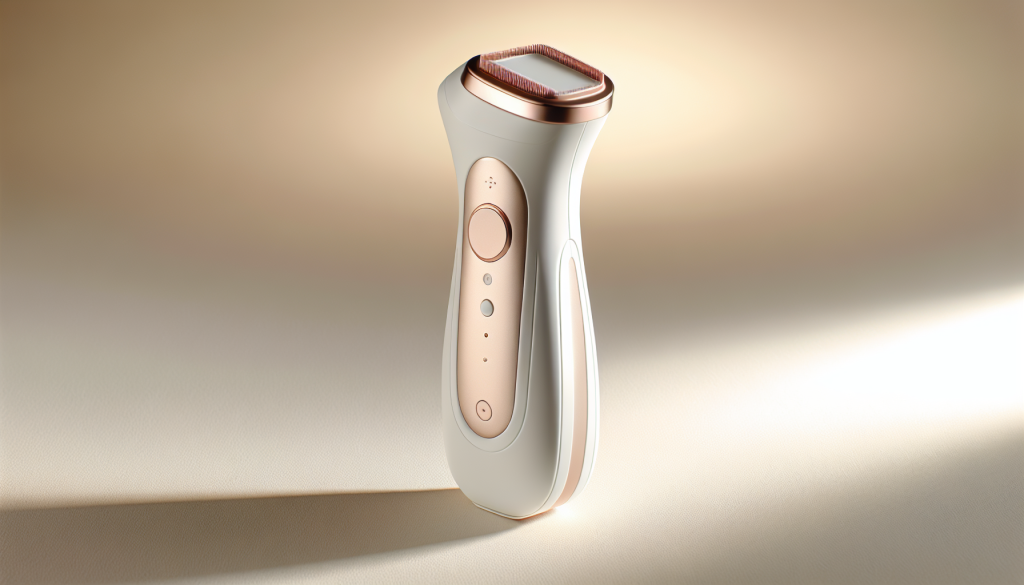
How To File ISF For Home Use RF Beauty Instrument
You need the Importer Security Filing (ISF) — and yes, you are responsible. This guide rips through the confusion and forces you to face the requirements, steps, edge cases, and penalties so you can get your RF beauty device into the country without getting slapped with fines or having your goods stuck at the port. Read this, follow it, and stop making preventable mistakes.
What is ISF and why you can’t ignore it
ISF (Importer Security Filing) is a pre-arrival electronic cargo declaration to U.S. Customs and Border Protection (CBP). You must file it at least 24 hours before the vessel loads at the foreign port. If you ship by sea, ISF is mandatory. For an RF beauty instrument arriving by ocean freight, failure to file or filing incorrectly triggers fines, delayed release, and potentially seizure.
- ISF is about security and targeting: CBP wants specific data about the shipment to assess risk.
- You are the importer of record and ultimately on the hook for accurate, timely ISF unless a contracted agent files on your behalf.
ISF Depot – Navigate U.S. Customs with Confidence
Who must file ISF and who can file for you
You, as the importer of record, must ensure an ISF is filed. That doesn’t mean you have to personally enter the data, but you are responsible for compliance.
- You can appoint a customs broker, freight forwarder, or third-party provider to file ISF.
- If you appoint someone, get it in writing and verify they file within deadlines.
- If you fail to appoint someone, CBP will still hold you accountable.
Basic definitions and required ISF elements (you must know these)
CBP requires 10 mandatory data elements for an ISF. If you miss these, you’re asking for trouble.
- Seller name and address
- Buyer name and address
- Importer of record number or EIN
- Consignee name and address
- Manufacturer (or supplier) name and address
- Country of origin
- Commodity HTSUS number (or best reasonable classification)
- Container stuffing location
- Consolidator (if applicable)
- Vessel stow plan (if available) / additional transport details
You must provide these accurately. For an RF beauty instrument, the country of origin, manufacturer, and HTSUS classification are especially critical — misclassification can lead to seizures or heavy duties.
Step-by-step ISF filing process for a home-use RF beauty instrument
Follow this step-by-step process so you don’t mess it up.
-
Gather documentation before shipment:
- Commercial invoice with full seller and buyer info
- Purchase order and packing list describing the RF device
- Manufacturer’s name and address
- Country of origin certificate or declaration
- Harmonized Tariff Schedule (HTSUS) subheading you believe applies
-
Determine whether the device needs special regulatory clearance:
- RF beauty instruments sometimes emit radiofrequency energy and may fall under FCC rules or devices regulated by the FDA.
- Confirm if your device requires an FCC certification or FDA registration for importation. Don’t assume “home-use” exempts it.
-
Choose an ISF filer:
- Appoint a licensed customs broker or a reliable filing service.
- Ensure they have the importer’s EIN and consignee data.
-
Prepare the ISF dataset:
- Populate the 10 mandatory elements.
- Include additional recommended data: bill of lading/AWB, container numbers, HTSUS number with subheading accuracy, and supplier part numbers.
-
File electronically at least 24 hours prior:
- ISF must be filed no later than 24 hours before the vessel’s departure from the foreign port.
- If your filer misses the deadline, you pay penalties and suffer delays.
-
Monitor and respond:
- Check the ISF status—if CBP issues queries or requests corrections, respond immediately.
- Keep communication records with your filer and carrier.
-
Upon arrival:
- Ensure all entry documents match the ISF (invoice, bill of lading, packing list).
- If CBP selects the cargo for inspection, cooperate immediately and provide requested technical info (e.g., electrical specs, FCC docs, user manual).
Classification and country-of-origin pitfalls (and how to avoid them)
You will try to game HTS numbers or assume origin — don’t. Misclassification and wrong origin declarations are common and costly.
- HTSUS: Research the correct HTS subheading for RF beauty devices and pick the most accurate number. If you’re unsure, seek a binding ruling or have your customs broker advise you.
- Country of origin: If components come from multiple countries, determine whether substantial transformation occurred — that decides country of origin. Don’t guess: document the manufacturing steps.
Regulatory edges: FCC and FDA considerations
RF beauty instruments can trip both FCC and FDA obligations. Ignore at your peril.
- FCC: If the device emits RF energy, confirm if it’s considered an unintentional radiator or intentional transmitter. Obtain the appropriate FCC IDs or verification as needed.
- FDA: Some cosmetic devices that alter skin or penetrate tissue might qualify as medical devices. If your device uses specific energy modalities for therapeutic purposes, check FDA classification and registration requirements.
- CBP may require documentation at entry. If you lack it, CBP can detain or refuse entry.
Special cases and edge scenarios you will face
You will encounter oddball situations. Here’s how to deal with them without panicking.
- Consolidated shipments: If your device is part of a consolidation, the consolidator or NVOCC may file ISF, but you remain responsible. Verify who files and inspect the ISF record.
- Drop shipments: If goods are shipped directly to your customer in the U.S., you still must ensure ISF is filed properly and the consignee data matches the transaction.
- Changes after filing: If something changes (e.g., container number), file an amendment immediately. Late corrections can still be accepted but increase risk and scrutiny.
- Air shipments: ISF applies to ocean freight. If you use air, ISF is not required, but other pre-arrival filings may apply.
Penalties, fines, and consequences you will face for noncompliance
Don’t think CBP doesn’t enforce ISF rules. They do — aggressively.
- Monetary penalties: CBP can fine up to thousands per violation depending on severity and willful negligence.
- Container holds and inspections: Noncompliance often leads to cargo exam or release holds, delaying delivery and increasing demurrage and storage costs.
- Reputational damage: Patterns of noncompliance can get you flagged and increase future scrutiny.
- Seizure and refusal: In serious cases, especially where regulatory documentation is missing for FDA or FCC problems, devices can be seized or refused entry.
Cost considerations and how to minimize unnecessary fees
You will pay for filing, inspection, demurrage, and any penalties. Here’s how to reduce avoidable costs.
- Pay a reputable broker or filing service upfront. Their fee is cheap compared to penalties and storage.
- Prepare clean paperwork to avoid manual review.
- Confirm container stuffing locations and consolidate documentation for fewer discrepancies.
- Use bonded warehouses strategically if you anticipate regulatory holds.
Practical checklist you will follow before shipment
Use this checklist so you don’t forget anything critical.
- Confirm product classification (HTSUS) and duty estimates.
- Verify manufacturer and supplier addresses.
- Obtain country of origin documentation.
- Secure FCC and FDA documentation if applicable.
- Appoint ISF filer and confirm they have your EIN.
- Ensure commercial invoice, packing list, and bill of lading match ISF data.
- File ISF at least 24 hours prior to vessel departure.
- Track ISF acceptance and act on CBP feedback.
Sample ISF scenarios for an RF beauty instrument (what to expect)
Scenario 1: Clean entry
- You or your broker files ISF on time with accurate HTS and origin. Carrier arrives, CBP accepts ISF, and release occurs with minimal inspection. You pay duties and deliver to your warehouse.
Scenario 2: Minor discrepancy
- Container number or consignee address typo causes a CBP manual review. You amend ISF within hours. Ship release delayed by a day; minor demurrage incurred.
Scenario 3: Regulatory hold
- CBP flags missing FCC certification. Cargo detained pending proof. You scramble to obtain paperwork or get the manufacturer to provide test reports. Release takes days. Expect storage and possible re-export costs.
Scenario 4: Gross noncompliance
- No ISF filed. CBP fines you and detains shipment. Carrier may charge hefty fees for rerouting or returning goods. You lose time and money.
How to choose the right ISF filer (stop gambling)
Selecting the wrong filer is stupidly common. Don’t pick price alone — pick competence.
- Verify their CBP portal access and track record.
- Ask for references from similar product shippers.
- Insist on written confirmation of filing times and filing numbers.
- Confirm they will handle amendments and respond to CBP queries promptly.
Communication and recordkeeping you must keep
Record everything. If CBP audits you, you want a paper trail that shows you weren’t negligent.
- Retain invoices, ISF filing confirmations, emails with your filer, bills of lading, and any FCC/FDA documents for at least five years.
- Keep timestamps proving ISF was filed at least 24 hours before vessel departure.
Final compliance tips to stop you from getting burned
You will make fewer mistakes if you adopt these practices:
- Never guess HTS or origin—if unsure, get a ruling or ask your broker.
- Confirm the exporter provides accurate manufacturer details and testing certificates.
- Keep your EIN and importer of record info up to date.
- Train the person who manages procurement and logistics to spot red flags.
- Budget for delays on the first few shipments; you’ll understand the process once you’ve gone through it.
Conclusion — take responsibility and act now
If you want that RF beauty instrument in the U.S. without drama, stop winging it. File your ISF properly, get regulatory paperwork in order, appoint a competent filer, and keep clean records. ISF missteps cost you money, time, and your reputation. Be precise, act fast, and stop relying on lucky guesses.
How To File ISF For Home Use RF Beauty Instrument
?Do you think importing an RF beauty device is a low-risk, paperwork-free game? Think again.
You are dealing with Customs and federal agencies; you must be meticulous. This version expands on user experience, practical journey flow, and more aggressive compliance tactics to get your goods cleared without catastrophe.
Why ISF matters for your RF beauty device
ISF is non-negotiable for ocean imports. Your device may also trigger FCC or FDA requirements, which makes correct ISF and supporting documents essential.
- If your device emits or uses radiofrequency energy, FCC compliance could apply.
- If any therapeutic claims are involved, FDA regulations may also come into play.
- ISF tells CBP who’s responsible and whether your cargo poses risk — inaccurate ISF equals scrutiny.
ISF Depot – Trusted Partner for ISF, Clearance & Trucking
Your end-to-end user journey for ISF filing
Understand this step-by-step journey so you can manage the process without panicking.
- Pre-shipment: You validate supplier, HTS, and regulatory documentation.
- Shipment booking: Arrange sea freight and confirm vessel schedule.
- ISF preparation: Collate seller, buyer, manufacturer data, and HTS.
- Filing: ISF filed at least 24 hours before ship departure.
- Arrival & entry: Match ISF to entry docs and handle CBP queries.
- Release & delivery: Pay duties, release cargo, and move to final destination.
Mandatory elements re-clarified so you don’t get fined
The ten required ISF data elements are non-optional. Know them like your own address.
- Seller and buyer names and addresses
- Importer of record number or EIN
- Consignee name and address
- Manufacturer name and address
- Country of origin
- HTSUS commodity number
- Container stuffing location
- Consolidator details (if used)
- Bill of lading and voyage details (as available)
Common mistakes you will make and how to avoid them
You will make mistakes. Stop repeating them.
- Typos in EINs and addresses: double-check.
- Incorrect HTS: consult a customs specialist.
- Missing FCC/FDA docs: verify requirements early.
- Late filing: set up automated alerts to ensure 24-hour pre-departure filing.
Filing amendments and handling CBP queries
If you need to change ISF after filing, file an amendment immediately. CBP accepts amendments but the quicker you act, the less likely you are to get penalized or inspected.
- Amendments: update container numbers, consignee info, or other elements as needed.
- CBP queries: respond within hours, not days. Keep your broker or filer on speed dial.
Edge-case scenarios and what you’ll do
You will face weird situations; plan for them.
- Manufacturer change mid-booking: demand new documentation and update ISF.
- Missing FCC labels: obtain documentation and provide alternate proofs such as lab test reports.
- Consolidator misreporting: hold the consolidator accountable and get written confirmation of filing responsibilities.
Best practices for recordkeeping and audit readiness
This is not optional. CBP audits. Be ready.
- Retain all records for at least five years.
- Keep digital backups of invoices, certifications, ISF filings, and communications.
- Document every amendment and CBP interaction with timestamps.
Logistics and trucking after release
Your job isn’t done when CBP releases the cargo. Arrange bonded trucking and final entry documents properly to avoid delivery delays.
- Confirm inland trucking availability before vessel arrival.
- Verify bonds if you need a continuous import bond for multiple entries.
- Track milestones and ensure carrier instructions match ISF data.
Troubleshooting common delays
When delays happen, don’t whine — act.
- If the container is held for inspection, arrange immediate access to technical experts to answer CBP’s questions.
- If a regulatory agency places a hold, escalate to the manufacturer for certificates and tests.
Conclusion — act like you mean it
This whole process is avoidable if you act with discipline. Plan, file, document, and respond. You represent the importer and the law expects you to know this stuff — so do it right.
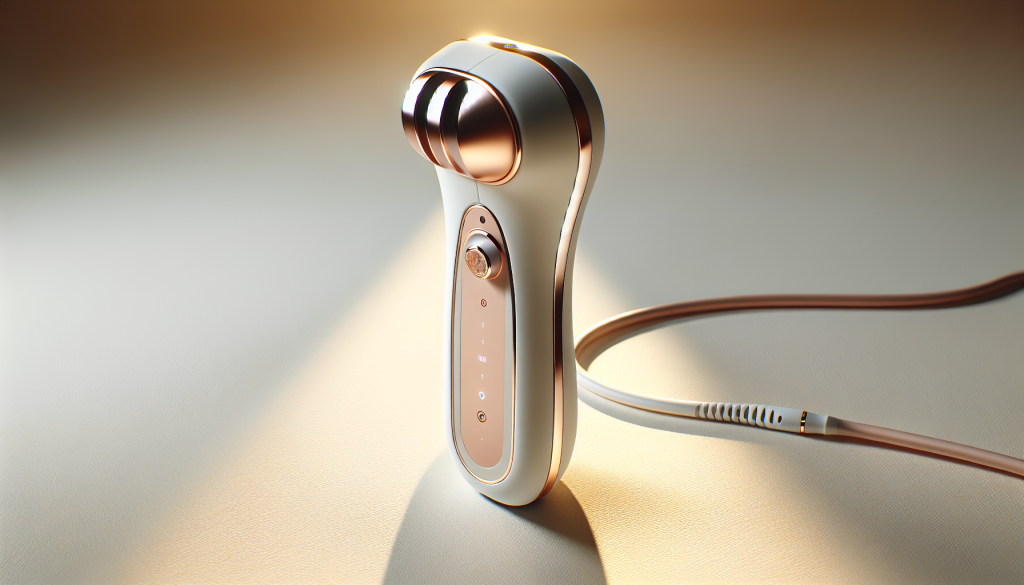
How To File ISF For Home Use RF Beauty Instrument
?You expecting shortcuts will get your RF beauty instrument through U.S. Customs? Think harder.
This version gives you a fresh perspective and actionable compliance tips aimed at preventing the most common traps for importers of RF beauty devices.
What ISF accomplishes in one blunt sentence
ISF gives CBP the information it needs to assess security risks and determine whether the shipment needs further inspection. If your data stinks, your shipment will suffer.
ISF Depot – Seamless Import Compliance & Logistics Support
Steps to gather correct technical and regulatory documentation
You need technical specs and source documentation before the vessel sails.
- Device technical data sheet showing RF characteristics and power ratings.
- Manufacturer test reports and FCC lab results, if applicable.
- User manual and labeling info proving intended home-use.
- Certificates of origin and supplier declarations.
ISF filing accuracy: why every digit matters
Even small mistakes cause big headaches.
- Container number mismatches cause CBP to reject or hold the ISF.
- Wrong EIN or consignee address prompts penalties.
- HTSUS errors cost duty adjustments and possible fines.
Handling inspections and exams for RF devices
Be prepared to submit technical data to CBP or other agencies quickly.
- Prepare a “CBP packet” with invoice, technical data, FCC/FDA docs, and correspondence.
- Have a representative at the port or a bonded third party able to provide samples or technical evidence on request.
Mitigating supply chain disruptions
If the manufacturer is unreliable, you will face delays. Choose manufacturers who understand compliance.
- Prefer suppliers who provide test reports and accurate paperwork proactively.
- Include compliance clauses in purchase orders requiring timely documentation.
Post-clearance audits: what you will be asked
CBP or Customs may audit you for ISF compliance. Be ready to present:
- ISF filing confirmations
- Commercial invoices and packing lists
- Bills of lading and container docs
- Certificates (FCC/FDA) and test reports
Final advice
Act like this is serious because it is. If you skimp on ISF or regulatory checks, you pay with time, money, and reputation.
How To File ISF For Home Use RF Beauty Instrument
?Still thinking you can wing ISF filings and get away with it?
This guide focuses on the practical filing workflow and entry filing interaction with CBP, with clear steps so you don’t screw this up.
Filing timeline and milestones you must track
ISF timeline is rigid — you have no excuses.
- T minus: Gather documents 7–14 days before sail.
- T minus 48 hours: Confirm booking and exporter info.
- T minus 24 hours: ISF filed and accepted.
- Arrival: Entry documentation matched to ISF and release actions initiated.
ISF Depot – Your Customs Navigator for ISF and Entry Filing
Preparing your entry to match the ISF
Entry filing must match the ISF data or CBP will raise flags.
- Ensure invoice values, HTSUS classification, and manufacturer data align exactly.
- If you need to change entry data, be transparent and file amendments.
Dealing with bonded entries, bonds, and release conditions
You might need continuous bonds or single-entry bonds.
- Continuous single transaction bonds (CTB) cover multiple entries over a period and are cost-effective for frequent importers.
- Single-entry bonds might be adequate for single shipments.
How to avoid the most damaging ISF penalties
Common penalty triggers include willful failure to file, inaccurate data, and late filing. Prevent these by:
- Outsourcing to a qualified broker and keeping confirmation records.
- Performing a pre-shipment compliance check of paperwork.
Tracking and monitoring tools you should use
Use shipment-tracking tools and ISF dashboards to monitor filing and acceptance.
- Confirm ISF acceptance codes and save screenshots.
- Set alerts for CBP queries and carrier arrival updates.
What to do if CBP detains your shipment
If CBP detains your RF beauty device, do the following:
- Immediately request the reason for detention and document it.
- Provide technical documentation and testing evidence promptly.
- Contact legal counsel or customs advisor if detention persists.
Closing words
If you treat ISF as an checkbox, you’re going to pay. Treat ISF as part of your product’s compliance infrastructure and you reduce risk.
How To File ISF For Home Use RF Beauty Instrument
?Are you about to mess up an ISF and make your entire shipment a headache?
This final version consolidates actionable compliance tips, edge-case handling, and practical checklists so you actually get your device to market.
Quick checklist before filing ISF
Use this checklist like your life depends on it — because your shipment’s freedom does.
- Confirm manufacturer identity and address.
- Validate HTS number and duty estimates.
- Secure FCC and/or FDA documentation if required.
- Appoint ISF filer and verify they filed on time.
- Ensure commercial invoice and ISF data match.
Customs Clearance & Bond Solutions
Post-filing follow-through
After filing ISF:
- Validate acceptance from CBP.
- Monitor vessel schedules.
- Ensure entry docs match ISF on arrival.
When to involve higher-level help
If your device is detained for regulatory issues or CBP issues penalties, escalate:
- Engage your customs broker immediately.
- Consider consulting a customs attorney for complex disputes.
- Work with the manufacturer to obtain immediate test reports or certifications.
Final enforcement warnings
CBP enforces ISF rules — regularly and strictly. Mistakes are not forgiven because ignorance is not an excuse. Document everything, get competent partners, and stop relying on luck.
If you want any of these versions lengthened, tailored to a specific port, or adjusted to include sample ISF XML or SED data examples, tell me which version and which port/entry and I’ll give you the exact fields and example values — but don’t expect sympathy if you waited until the last minute.