Transform Care: Importation Of Pharmaceutical Products Made Easy!
So, you are thinking about 📦importing pharmaceutical products and you have heard about this ISF 10+2 thing, but you’re not quite sure what it is or how it affects you. Well, you’re in luck because this article is going to give you a brief overview of ISF 10+2 and how it relates to the importation of pharmaceutical products. Whether you’re a seasoned importer or just starting out, understanding ISF 10+2 is crucial to ensuring a smooth and compliant import process. So let’s dig in and get to the bottom of this import requirement.
Introduction to ISF 10+2
What is ISF 10+2?
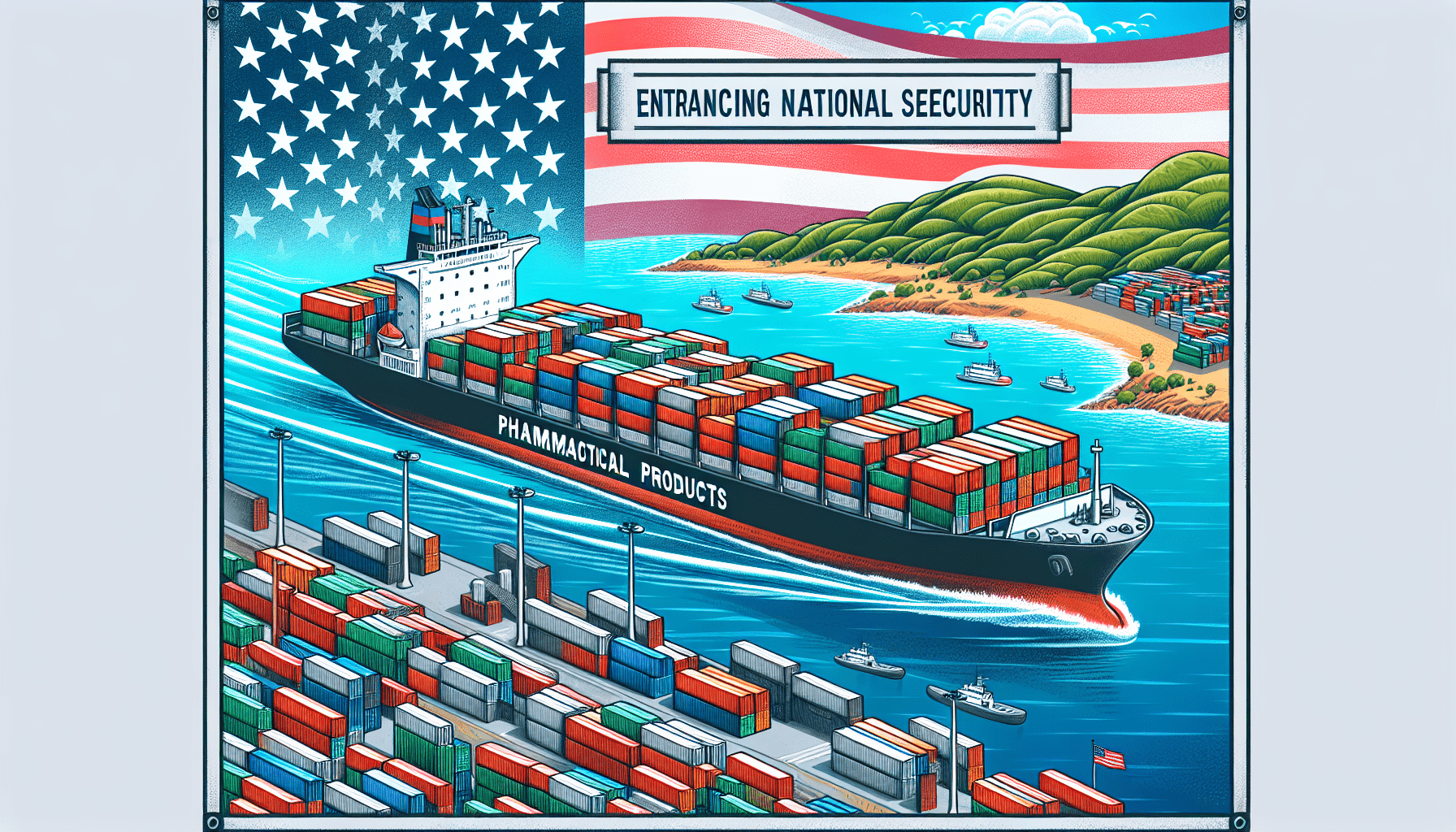
ISF 10+2, also known as Importer Security Filing, is a requirements implemented by U.S. Customs and Border Protection (CBP) for imports into the United States. It aims to enhance cargo security and facilitate risk analysis of goods entering the country. The ISF 10+2 regulation mandates importers and vessel operators to provide specific information about the cargo being shipped to CBP before it arrives in the U.S.
How does it relate to importation?
ISF 10+2 is an essential aspect of the importation process, particularly for pharmaceutical products. Importers of pharmaceutical goods must comply with the ISF 10+2 requirements to ensure the smooth and timely entry of their products into the U.S. market. Failure to adhere to these requirements can result in penalties, delays, and jeopardize the integrity of the supply chain.
Importation Process for Pharmaceutical Products
Overview of the importation process
Importing pharmaceutical products involves several step, including sourcing the products, arranging transportation, complying with regulatory requirements, and clearing customs. The process begins with identifying reliable suppliers and manufacturers, ensuring proper documentation, and arranging appropriate transportation method to maintain the integrity and quality of the pharmaceutical products throughout the supply chain.
Specific requirements for pharmaceutical products
Pharmaceutical products are subject to stringent regulations and quality control measures. Importers must ensure compliance with various regulatory body, including the Food and Drug Administration (FDA). Specific requirements may include obtaining necessary permits and licenses, verifying product authenticity and labeling, conducting product testing, and complying with Good Manufacturing Practices (GMP).
ISF 10+2 Requirements
Explanation of ISF 10+2 requirements
ISF 10+2 requires importers to submit a comprehensive set of data to CBP at least 24 hour before the cargo is loaded onto a vessel destined for the U.S. This information includes detail about the importer, seller, buyer, manufacturer, shipper, consignee, and the nature & value of the cargo. The filing also includes information about the vessel, voyage, and the first foreign port where the cargo is loaded.
Importance of complying with ISF 10+2
Complying with ISF 10+2 is crucial for importers of pharmaceutical products. It helps CBP assess the risk associated with imported goods, identify potential security threats, and ensure the safety and integrity of the supply chain. By accurately filing the required information, importers contribute to the overall security of the nation while facilitating the efficient movement of their pharmaceutical products.
Penalties for non-compliance
Failure to comply with ISF 10+2 requirements can lead to severe consequence for importers. CBP has the authorities to assess penalties, delay or deny cargo release, and even seize goods if the ISF is not filed properly or in a timely manner. Non-compliance can not only outcomes in financial loss but also tarnish the importer’s reputation and disrupt the supply chain, impacting the availability of pharmaceutical products to the market.
Key Information for Importers
Filing the ISF
Importers are responsible for filing the ISF accurately and within the required timeframe. To ensure compliance, importers should gather all the necessary information in advance, including details about the cargo, suppliers, manufacturers, and other involved party. Utilizing specialized software or working with experienced customs brokers can streamline the ISF filing process and reduce the risk of errors or omissions.
Obtaining a bond
Importers may need to obtain a bond to guarantee the payment of any potential penalties or fees associated with their ISF 10+2 filing. A bond acts as a financial security measure and assures CBP that the importer will abide by all the legal and regulatory obligations. Importers should consult with their customs broker or an insurance provider to determine the appropriate bond type and coverage required for their specific importation needs.
Working with a customs broker
Given the complexity of importation procedures, many importers choose to work with customs brokers who have extensive knowledge and experiences in handling ISF 10+2 filings and related compliance requirement. Customs brokers assist importers in navigating the regulatory landscape, ensuring accurate filing, addressing any discrepancies, and managing the overall importation process for pharmaceutical products.
Pitfalls to Avoid
Common mistakes in ISF 10+2 filing
Importers should be aware of common error or mistakes that often occur during ISF 10+2 filing. These may include incomplete or inaccurate information, missing critical data field, incorrect classifications of the cargo, or failure to report changes or updates in a timely manner. By taking precautions and double-checking the filing details, importers can minimize the risk of non-compliance and associated penalties.
Addressing inaccuracies and discrepancies in the filing
If inaccuracy or discrepancy are discovered after submitting the ISF, importers must promptly address and correct them. Timely communication with CBP, providing accurate explanation, and submitting necessary amendments or updates can help resolve any issues and prevent the escalation of penalties or delays. Establishing proactive approach to rectifying mistakes demonstrates diligence and commitment to compliance.
Ensuring proper documentation
Accurate and comprehensive documentation is critical for successful importation of pharmaceutical products. Importers must maintain proper record of all relevant paperwork, including invoices, purchase order, packing list, certificates of origin, and any other supporting document. These documents serve as evidence of the legitimacy and compliance of the imported goods and provide crucial information for CBP’s risk assessment.
Understanding the classification of pharmaceutical products
Correctly classifying pharmaceutical products is essential for ISF 10+2 filing and overall importation. Importers must familiarize themselves with the Harmonized System (HS) code and the FDA’s products classification to ensure accurate reporting. Proper classification guarantees compliance with regulatory requirements and facilitates the determination of applicable duty, taxes, and import restrictions.
Challenges in Importing Pharmaceutical Products
Regulatory compliance
Importing pharmaceutical products involves complying with stringent regulations imposed by multiple authorities, including the FDA. Meeting these regulations can be challenging due to the evolving nature of the sector, complex supply chains, and the need for continuous monitoring and adherence to changing standards. Importers must stay up-to-date with regulatory updates and actively engage in compliance effort.
Quality control and safety standards
Pharmaceutical products require strict quality control measures to ensure their safety and efficacy. Importers must ensure that proper quality assurance processes are followed at every stage of the supply chain, from sourcing to distribution. Implementing comprehensive quality control system, including regular audits, sample testing, and documentation verification, helps importers maintain product integrity and meet regulatory expectation.
Transportation and storage requirements
Pharmaceutical products often have specific transportation and storage requirements to maintain their potency, stability, and safety. Cold chain logistics, proper handling procedures, and adherence to temperature and humidity controls are crucial to prevent product degradation. Importers must collaborate with reliable logistics partner and engage in continuous monitoring and tracking to ensure compliance with transportation and storage regulations.
Benefits of Complying with ISF 10+2
Streamlining the importation process
Complying with ISF 10+2 requirements streamlines the importation process for pharmaceutical products. By providing accurate and complete information in advance, importers helps CBP assess the cargo’s risk profile more efficiently, reducing the likelihood of delays or inspections upon arrival. Streamlining the process not only saves time and resources but also allows the timely availability of pharmaceutical products in the market.
Avoiding delays and penalties
Compliance with ISF 10+2 regulations help importers avoid costly delays and penalty associated with non-compliance. The timely and accurate filing of the ISF mitigates the risk of cargo hold or examination, facilitating a smooth customs clearance process. By adhering to the requirements and addressing any issues promptly, importers can ensure the uninterrupted flow of pharmaceutical products to meet market demand.
Ensuring supply chain security
ISF 10+2 contributes to enhancing the security of the global supply chain. By providing comprehensive data before the cargo arrives in the U.S., CBP can assess the risk associated with the imported pharmaceutical products and take appropriate action to safeguard the supply chain from potential security threats. Importers who prioritize supply chain security through compliance build resilience and demonstrate their commitment to protecting public health and safety.
Building trust with authorities
Complying with ISF 10+2 requirements helps importers build trust and maintain positive relationship with authority, including CBP. By demonstrating a commitment to regulatory compliance, importers gain credibility and reliability, which can lead to more favorable treatment and less scrutiny during the importation process. Building trust with authorities opens door to smoother transactions, collaboration opportunity, and facilitated importation procedures.
Case Studies
Success stories of importers complying with ISF 10+2
Several success story highlight the positive result of importers who prioritize ISF 10+2 compliance. Importers who proactively adhere to the requirements experience smoother customs clearance processes, reduced inspection rate, and improved supply chain efficiency. These success stories serve as inspiration and motivation for other importers to invest time and resource in complying with ISF 10+2.
Lessons learned from past importation experiences
Importers can learn valuable lesson from past importation experiences related to ISF 10+2 compliance. Studying case where non-compliance led to penalties, delays, or supply chain disruptions provides insights into the importance of accurate filing, documentation, and communication with authorities. By drawing from these lessons, importers can identify potential pitfalls and implement measures to avoid similar pitfalls in the future.
Future Developments and Changes
Updates on ISF 10+2 regulations
Importers must stay informed about any updates or change in ISF 10+2 regulations to ensure continued compliance. Regulatory bodies may introduce new requirements, modify existing procedures, or clarify certain aspects of the filing process. Importers should actively monitor official channel, consult with customs brokers, and engage in industry discussion to stay updated on the evolving regulatory landscape.
Anticipated changes in importation requirements
The importation requirements for pharmaceutical products are subject to constant changes due to advancements in technology, industry standards, and regulatory practice. Importers should anticipate future changes an proactively adapt their processes to meet new requirements. By staying ahead of the curve, importers can position themselves as industry leader and maintain a competitive edge in the importation of pharmaceutical products.
Conclusion
Summary of key points
Complying with ISF 10+2 is vital for importers of pharmaceutical products. It involves filing comprehensive information about the cargo before it arrives in the U.S., contributing to supply chain security and efficient risk analysis. Importers must understand the specific requirements for pharmaceutical imports and ensure accurate filing, proper documentation, and compliance with regulations.
Importance of understanding ISF 10+2 for pharmaceutical importation
Understanding ISF 10+2 is crucial for the successful importation of pharmaceutical product. By complying with the requirements, importers can streamline the importation process, avoid penalties and delays, ensure supply chain security, and establish trust with authorities. Importers should stay informed about updates and changes in the regulations and learn from past experience to continuously improve their compliance efforts.