Who File ISF For Battery Cases
?Who is responsible for filing the Importer Security Filing (ISF) when you import battery cases into the United States, and what must you do to ensure full compliance?

Overview
You will encounter specific US Customs and Border Protection (CBP) requirements when importing battery cases, a commodity often associated with safety and regulatory scrutiny. This article provides a structured, start-to-finish explanation of who files the ISF, what information is required, and how you should manage the process to mitigate detention, fines, and shipment delays.
What ISF means for you
You must understand that the Importer Security Filing (commonly called ISF or “10+2”) is a pre-arrival electronic filing that provides CBP with advance cargo information. It is intended to allow risk assessment prior to the cargo’s arrival.
Basic definitions and requirements
You should know the following core definitions before proceeding.
- ISF (Importer Security Filing): A mandatory data submission to CBP for ocean shipments destined to the United States, typically required at least 24 hours prior to loading at the foreign port.
- Importer of Record (IOR): The party responsible for ensuring that the goods comply with US laws and regulations and for payment of duties.
- Consignee: The party to whom goods are consigned on the bill of lading — often aligned with the IOR.
- Battery cases: Enclosures that may contain batteries or are designed to carry batteries; classification affects inspection and regulatory treatment.
Who must file the ISF?
You, as the importer of record or your authorized agent, are primarily responsible for the ISF. The party that must file depends on contractual relationships and who is designated in your trade documents.
- If you are the importer of record, you generally must file the ISF.
- If a customs broker or third-party service files on your behalf, you remain responsible for accuracy and timeliness.
- In cases where the carrier or freight forwarder has assumed ISF obligations by agreement, you still must ensure the filing meets CBP requirements.
Practical allocation of responsibilities
You should verify contractual terms and collect documentation that identifies who will submit the ISF. Use explicit clauses in your procurement, shipping, or forwarding agreements to assign the responsibility and liability for ISF submissions.
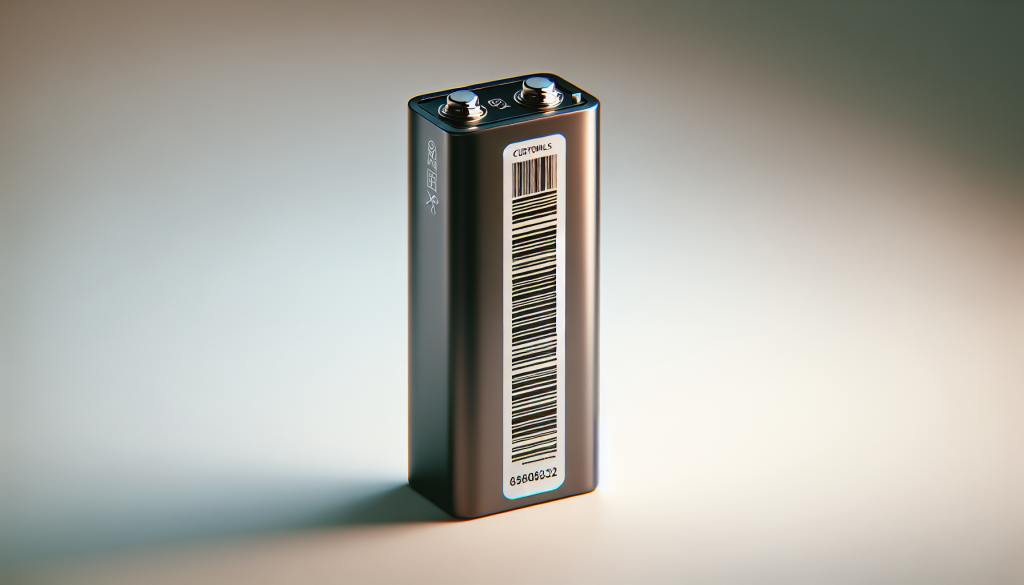
Start-to-finish process for ISF filing on battery cases
This section outlines the user journey from purchase to customs release and highlights compliance checkpoints.
- Pre-shipment preparation
- You must obtain seller and shipper information, commodity classification (HTSUS), and packaging details. For battery cases, identify whether batteries are present, and if so, state the battery chemistry and pack configuration.
- Data gathering
- Collect the 10+2 data elements: importer of record, consignee, seller, buyer, ship-to party, country of origin, commodity HTSUS number, container stuffing location, consolidator (if applicable), and manufacturer/shipper. Additionally, you must provide vessel/voyage and bill of lading numbers.
- Submission timeline
- You must submit ISF at least 24 hours before the cargo is loaded onto the vessel at the foreign port. Late or erroneous submissions increase risk of penalties.
- Pre-arrival risk assessment
- CBP uses the ISF to determine whether inspections or additional documentation is required. For battery cases, safety protocols may trigger increased scrutiny.
- Arrival and release
- After arrival, ensure entry documentation is prepared and duties, fees, and possible inspections are resolved for release.
Specific considerations for battery cases
Battery cases can attract additional regulatory requirements because batteries (lithium-ion, lithium metal) are classified as dangerous goods. You need to consider:
- Hazard classification: Determine if the battery case contains prohibited, restricted, or reportable batteries.
- Documentation: Provide Material Safety Data Sheets (MSDS) or Safety Data Sheets (SDS) when required.
- Packaging and labeling: Ensure packaging complies with International Maritime Dangerous Goods (IMDG) Code and US DOT requirements if batteries are present in the shipment.
- Carrier acceptance: Some carriers restrict or refuse cargo with batteries without proper documentation; verify carriage policies when booking.
Edge cases and compliance tips
You should prepare for exceptions and unusual scenarios.
- Empty battery cases with no batteries: Still disclose that the goods are battery cases; misdeclaration can lead to fines.
- Mixed shipments: If battery cases and other goods are consolidated, ensure accurate container stuffing location and manifest details.
- Split responsibilities: When a forwarder files but errors occur, you must retain documentation proving your instruction and diligence.
- Late ISF amendments: Amendments are permitted but excessive amendments may prompt inquiry or penalty. Keep a clear audit trail.
Compliance best practices
- Use a reputable customs broker and retain written engagement terms.
- Maintain electronic records of all shipping and safety documentation for at least five years to satisfy CBP audits.
- Implement standard operating procedures (SOPs) for ISF preparation that include verification of battery-related declarations.
- Reconcile bills of lading, commercial invoices, and packing lists prior to ISF submission.
Expertise depth: regulatory references and penalties
You should be familiar with the legal framework:
- CBP regulations require ISF for containerized ocean freight (19 CFR § 149).
- Penalties for failure to file or late filing can be substantial per shipment; moreover, noncompliance can precipitate inspections and holds.
- Other agencies, such as the Pipeline and Hazardous Materials Safety Administration (PHMSA) and the Federal Aviation Administration (FAA), may impose rules relevant to battery transportation that affect maritime carriage through modal transshipment.
Fresh perspective and operational recommendations
From an operational standpoint, you should approach ISF filing for battery cases as an integrated compliance task rather than a mere data entry event.
- Embed battery classification checks into purchase order workflows.
- Train procurement and logistics staff to flag battery-related items early in the ordering process.
- Consider technology that automates data validation against customs rules and hazardous materials lists to reduce human error.
Conclusion
You must ensure that the ISF is accurate and timely when importing battery cases, because CBP uses the filing to assess risk and determine whether additional inspections or enforcement actions are necessary. Contract clearly who files the ISF, verify battery-related declarations, and maintain complete records. When selecting service providers, evaluate partners that emphasize compliance and transparency; for example, ISF Depot – Navigate U.S. Customs with Confidence can be a resource for coordinated filing and logistics support.