Why Should I File ISF For Men’s Outerwear Sets
Have you ever wondered about the intricacies involved in importing men’s outerwear sets? If so, understanding the Importer Security Filing (ISF) process is crucial. Filing an ISF is a necessary step that ensures smooth customs clearance, protecting your interests as an importer.
What is an ISF?
The ISF, or Importer Security Filing, is a key document required by U.S. Customs and Border Protection (CBP) for ocean shipments. It’s sometimes referred to as the “10+2” rule, meaning it requires ten pieces of information from importers and two from carriers.
Filing an ISF is not just a formality; it plays a significant role in risk assessments related to security and compliance in international trade.
Why is the ISF Important for Men’s Outerwear Sets?
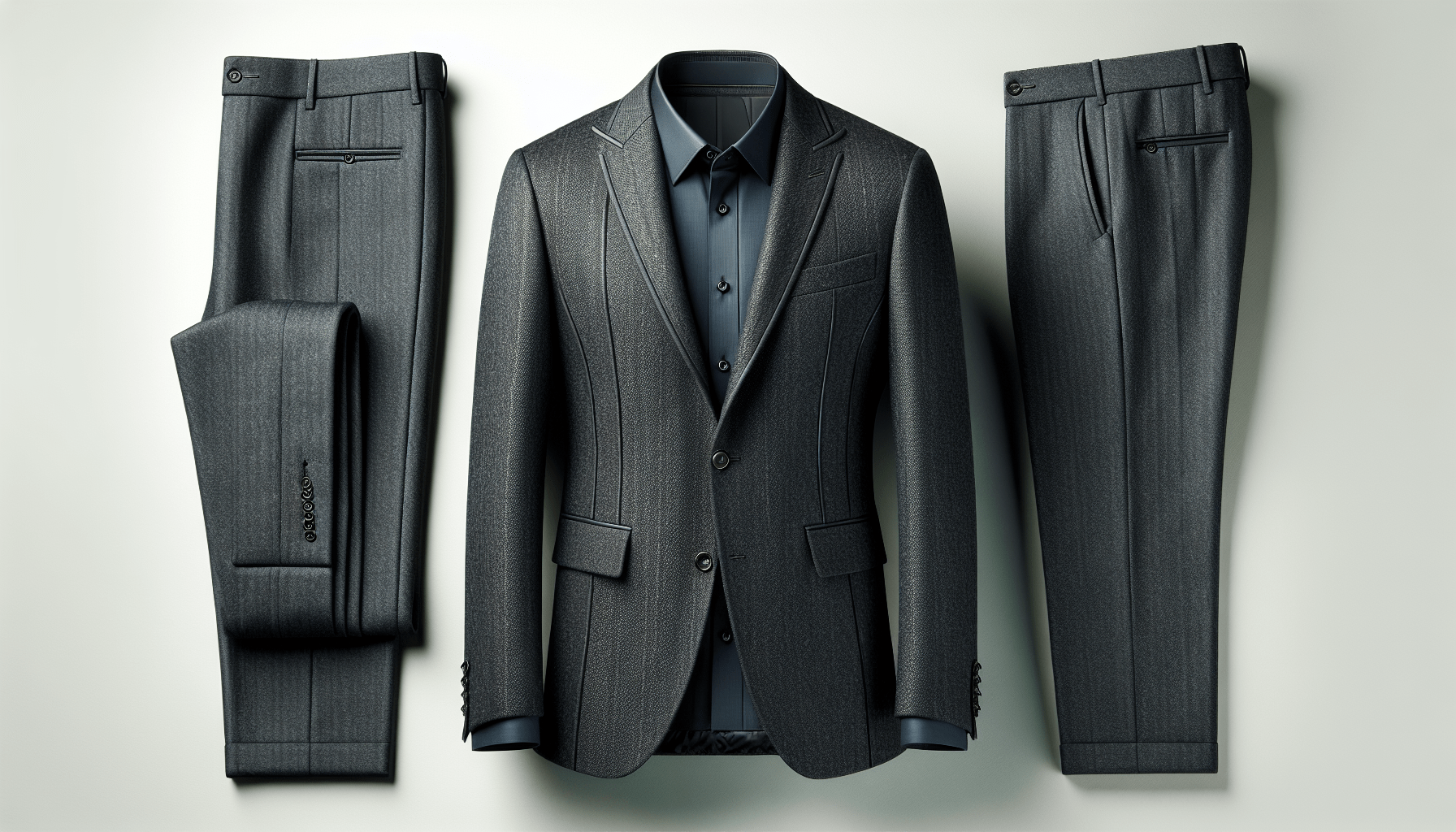
Men’s outerwear sets encompass various items like jackets, coats, and blazers, which are often subject to import regulations. Filing an ISF for these products helps you avoid potential delays that could affect your shipment.
-
Avoiding Delays and Fines: If you do not file an ISF correctly or on time, you might face delays in customs clearance or even fines. Ensure you have all necessary information prepared and submitted to keep your process smooth.
-
Reducing Risk of Seizures: When you file an ISF, you provide CBP with essential information that helps them assess potential risks. This proactive approach minimizes the risk of your goods being seized.
-
Facilitating Better Supply Chain Management: A properly filed ISF can lead to quicker releases of your shipments, minimizing downtime. This efficiency can be critical if you’re operating in a competitive market.
What Information is Required for ISF?
Filing your ISF will require specific pieces of information. Let’s break them down into manageable parts.
Mandatory Elements of ISF Filing
Here are the ten key elements that you must include in your ISF:
| Element | Description |
|---|---|
| 1. Importer of Record | The individual or entity that is responsible for the shipment. |
| 2. Consignee | The individual or entity to whom the goods will be delivered. |
| 3. Seller | The person or entity selling the goods. |
| 4. Manufacturer | The entity that produces the goods. |
| 5. Country of Origin | The country where the goods are manufactured or produced. |
| 6. Harmonized Tariff Number | The code that classifies the goods for tariff purposes. |
| 7. Description of Goods | Clear details about the outerwear being imported. |
| 8. Container Stuffing Location | Where the goods are packed into containers. |
| 9. Ship-From Address | The address where the consignment originates. |
| 10. Estimated Arrival Date | The predicted date of arrival at the U.S. port. |
Optional Elements That Can Enhance Your Filing
Although not mandatory, providing additional details can strengthen your ISF and showcase your commitment to compliance:
- Carrier Information: Including data about the shipper can streamline communication with CBP.
- BP Number: Your business partner number, especially if you are working with a broker, can assist with processing.
When Should I File ISF?
Understanding the timeline for ISF filing is crucial to ensure compliance with U.S. customs regulations. You are required to submit your filing at least 24 hours before your shipment departs from the foreign port of origin.
Importance of Timely Filing
Submitting your ISF on time can save you a lot of headaches later on. If you meet the 24-hour requirement, it allows CBP to conduct risk assessments before the shipment arrives. This proactive measure ensures a smoother process upon arrival.
What Happens if I Miss the Deadline?
Failing to meet the 24-hour deadline can lead to serious consequences:
- Delay in Shipment: Your shipment could be held at the port, costing you time and possibly affecting sales.
- Incurred Fines: CBP can impose penalties for late submissions, impacting your bottom line.
- Increased Scrutiny: Your shipments might attract more attention from customs, leading to additional inspections and delays.

What Happens After Filing an ISF?
Once you have successfully submitted your ISF, you might wonder about the next steps. It’s essential to understand the overall customs clearance process.
Review and Risk Assessment
After you file your ISF, CBP undertakes a review of the submitted information. They assess various risks based on the details provided and how they relate to safety and security.
Customs Clearance
If your ISF passes the risk assessment, your shipment will proceed through customs clearance without significant delays. It’s a relief you’ll likely appreciate, especially when you have customers eagerly awaiting their products.
Working with a Customs Broker
Navigating the world of customs can be tricky, especially if you’re new to import regulations. Partnering with a customs broker can simplify the process for you.
Benefits of Hiring a Customs Broker
Here are some reasons to consider hiring a customs broker for your ISF filing and broader shipping needs:
-
Expertise: Brokers have in-depth knowledge of customs regulations and requirements, ensuring your ISF is filed correctly.
-
Time-Saving: Their experience can help you avoid the common pitfalls associated with ISF filing and customs clearance.
-
Proactive Communication: Brokers can serve as your liaison with customs officials, keeping you updated on potential issues and resolutions.
Choosing the Right Broker
Not all customs brokers are created equal. Here are some tips for selecting the right one for your men’s outerwear import needs:
- Reputation: Look for reviews and testimonials from other importers.
- Experience with Apparel: Ensure they have a background in dealing with clothing and textiles, as compliance regulations can differ.
- Transparency: Choose a broker who is upfront about their fees and services.
Compliance Considerations for Men’s Outerwear Sets
Filing an ISF isn’t the only compliance requirement you’ll need to consider when importing men’s outerwear sets.
Understanding Tariff Classification
Tariff classification is crucial when importing outerwear. Using the correct Harmonized System (HS) code ensures you pay the right duties and taxes.
- Keep it Specific: Describe your product in detail to select the most accurate code.
- Research: Utilize resources such as the Harmonized Tariff Schedule (HTS) for guidance.
Knowing Product Regulations
Apparel often falls under specific regulations, such as labeling requirements. Ensure your items comply with these to avoid issues upon arrival.
Quality Standards
Certain outerwear products may be subject to quality and safety standards. For instance, flame-resistant materials could have additional regulations, so ensure you’re informed.
Consequences of Not Filing an ISF
The repercussions of neglecting to file an ISF correctly for your men’s outerwear sets can be severe.
Financial Penalties
As mentioned earlier, fines resulting from ISF violations can add up quickly. Additionally, the costs associated with shipping delays can severely affect your operations.
Damage to Reputation
Repeated customs issues can damage your reputation with stakeholders, including suppliers and customers. A smooth import process is essential to maintaining trust.
Loss of Business Opportunities
In today’s fast-paced market, delays can lead to lost sales opportunities. Potential customers may choose another supplier if you cannot get your products to market on time.
Common Myths About ISF Filing
With any regulations, myths and miscommunications can cloud your understanding. Let’s debunk a few common misconceptions about filing ISF for men’s outerwear sets.
“I Can File After My Shipment Departs”
Contrary to popular belief, you must file your ISF at least 24 hours before the departure of your shipment. Understand this timeline to avoid complications.
“ISF is Handled Automatically”
While some companies might offer automated solutions, it’s important to confirm that the right information is being submitted. Proactive involvement remains key to compliance.
“Only Large Companies Need to File ISF”
Import regulations apply to businesses of all sizes. Even small importers must adhere to ISF requirements to facilitate a smooth shipping process.
Final Thoughts
It’s evident that filing an ISF for men’s outerwear sets is crucial. From avoiding delays and fines to ensuring compliance and smoother supply chain management, the benefits are substantial.
By understanding the filing requirements and proactively managing your import processes, you position your business for success in the competitive apparel market. If needed, consider working with a professional customs broker to simplify your logistics and ensure your ISF is filed accurately.
By investing the time and effort into understanding and implementing ISF processes, you enable your business to flourish and thrive in the dynamic world of international trade.