Why You Need to File ISF For Stretch Bands Today
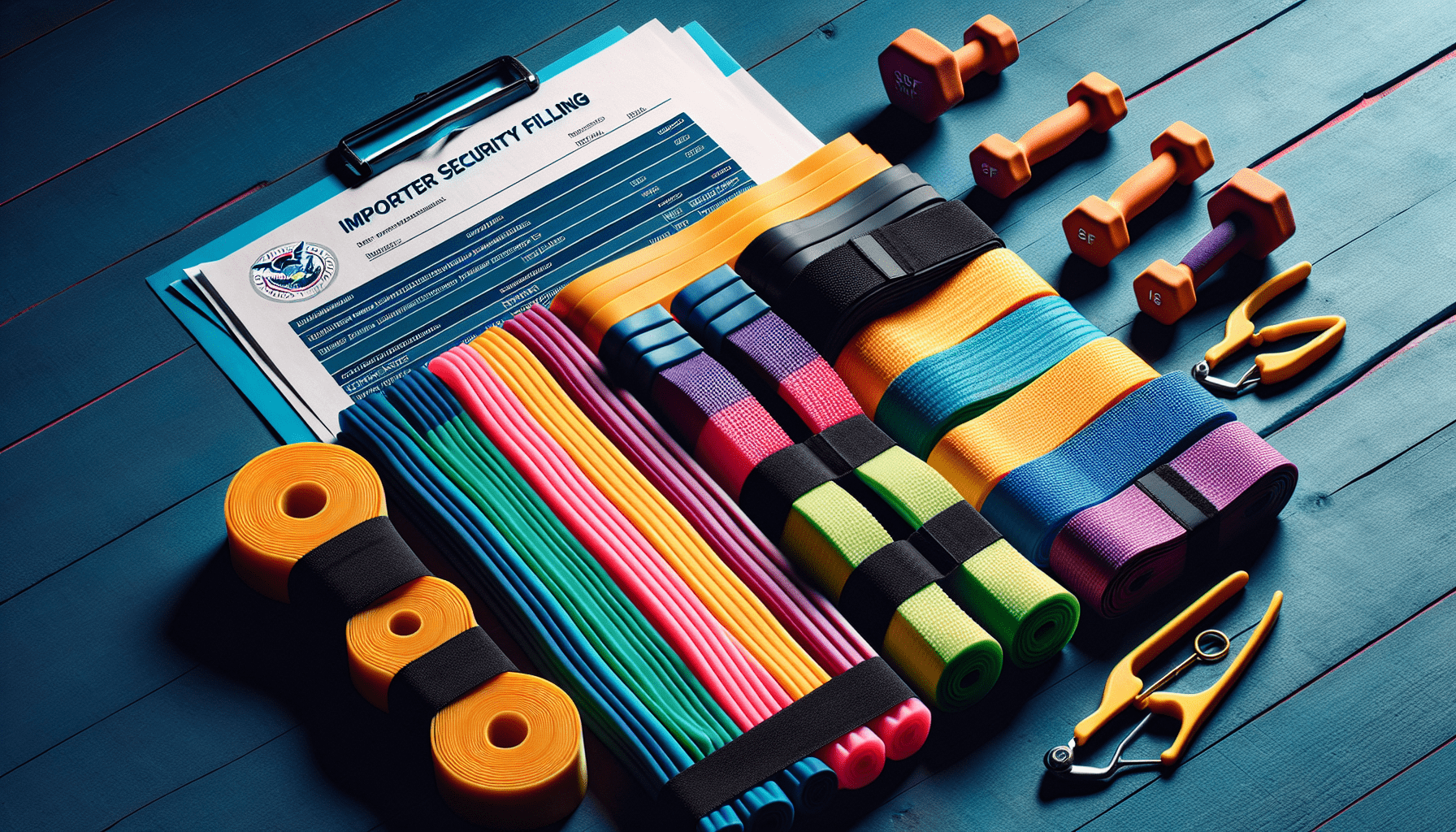
Filing an Importer Security Filing (ISF) for your stretch bands is crucial in ensuring smooth customs clearance and compliance with regulations. By providing accurate and timely information about your imported goods, including stretch bands, you can avoid delays, penalties, and other issues that may arise during the import process. ISF filing also allows customs officials to assess potential security risks associated with your shipment, ultimately enhancing supply chain security and efficiency. It is important to understand the importance of ISF filing for stretch bands to streamline your 📦importing process and avoid costly disruptions. Have you ever wondered why it is essential to file an Importer Security Filing (ISF) for stretch bands? If you are involved in importing goods or product that include stretch bands, it is crucial to understand the significance of complying with ISF regulations. In this article, we will delve into the reasons why filing ISF for stretch bands is imperative for your business operations.

Understanding Importer Security Filing (ISF)
Before we explore the specific reason why filing ISF for stretch bands is crucial, let’s first understand what Importer Security Filing (ISF) is all about. ISF, also known as 10+2, is a regulation implemented by U.S. Customs and Border Protection (CBP) to enhance the security of shipping container entering the United States. It requires importers or their authorized agent to provide specific information about the goods being imported before they are loaded onto a vessel bound for the U.S.
Importance of ISF Compliance
Complying with ISF regulations is essential for importers for several reasons. First and foremost, ISF help CBP assess the level of risk associated with each shipment entering the country. By providing accurate and timely information about your cargo, you are helping CBP identify any potential security threats or contraband. Failure to comply with ISF requirement can result in penalties, shipment delays, and even seizure of your goods.
Why File ISF for Stretch Bands?
Now that we have a basic understanding of ISF regulations, let’s dive into the specific reasons why filing ISF for stretch bands is crucial for your business operations.
1. Ensure Compliance with CBP Regulations
Filing ISF for stretch bands ensures that you are in compliance with CBP regulations. Stretch bands, being part of your overall cargo, must be included in the ISF submission to provide CBP with accurate an detailed information about your shipment. Failure to include stretch bands in your ISF filing can lead to compliance issues and penalties.
2. Facilitate Cargo Security Screening
By filing ISF for stretch bands, you are helping CBP facilitate cargo security screening. Stretch bands, like any other type of cargo, need to go through various security checks to ensure that they do not pose a risk to national security. Providing detailed information about your stretch bands in the ISF submission allows CBP to identify and address any security concerns efficiently.
3. Prevent Shipment Delays
Filing ISF for stretch bands can help prevent shipment delays. CBP relies on ISF data to assess the risks associated with each shipment & make informed decision about cargo inspections. Including stretch bands in your ISF filing ensures that CBP has all the necessary information to process your shipment promptly and efficiently.
4. Avoid Penalties and Fines
Non-compliance with ISF regulations can result in penalties and fines. By filing ISF for stretch bands and ensuring that all the required information is provided accurately and on time, you can avoid potential penalties imposed by CBP for violations. It is essential to take ISF compliance seriously to avoid costly repercussions for your business.
5. Enhance Supply Chain Visibility
Filing ISF for stretch bands enhances the overall visibility of your supply chain. By providing detailed information about your stretch bands in the ISF submission, you are creating a transparent record of your cargo’s journey from origin to destination. This visibility can help you track and monitor your 🚢shipments more effectively, leading to improved logistics management.
How to File ISF for Stretch Bands
Now that we understand the importance of filing ISF for stretch bands let’s explore how you can effectively submit ISF information for your stretch bands.
1. Gather Required Information
Before filing ISF for stretch band, make sure you have all the necessary information on hand. This includes detail about the cargo, such as the manufacturer, supplier, country of origin, and HTS code. You will also need information about the importer, consignee, and the vessel carrying the cargo.
2. Use a Qualified ISF Agent
Consider using a qualified ISF agents to helps you file ISF for stretch bands accurately and efficiently. An experienced agent can ensure that all the required information is included in the submission and that it complies with CBP regulations. Working with a professional can help you avoid error and potential penalty.
3. Submit ISF Information Timely
Ensure that you submit ISF information for your stretch bands in timely manner. CBP requires ISF data to be filed at least 24 hour before the cargo is loaded onto a vessel destined for the U.S. Failure to meet this deadline can result in penalties and shipment delays. Make sure you have a system in place to submit ISF information promptly.
4. Monitor ISF Status
Once you have filed ISF for stretch bands, make sure to monitor the status of your submission. CBP provides a unique confirmation number for each ISF filing, which you can use to track the progress of your submission. Regularly check the status of your ISF filing to ensure that it has been accepted and is in compliance with CBP regulations.
Conclusion
In conclusion, filing ISF for stretch bands is crucial for ensuring compliance with CBP regulations, facilitating cargo security screening, preventing shipment delays, avoiding penalties and fines, and enhancing supply chain visibility. By understanding the importance of ISF compliance and following the necessary step to file ISF for stretch bands accurately and timely, you can streamline your import operations and mitigate potential risk. Remember to gather the required information, use a qualified ISF agent, submit ISF information timely, and monitor the status of your ISF filing to maintain compliance with CBP regulations.